


Why Your Domestic Longhair Might Need Grain-Free Food

If you share your home with a domestic longhair, you know the effort that goes into that coat. What goes in their bowl matters just as much.
Cats are obligate carnivores. Their bodies are built to get their nutrition from animal protein; they have particularly high protein needs, and they have no specific requirement for grains at all. This isn't really about grains being dangerous, and slapping "grain-free" on a packet doesn't magically make a food good. It's simpler than that: your cat is built to eat meat, so the best everyday food is one that puts meat first, and a well-made grain-free recipe is how you get there.
What Is Grain-Free Cat Food?
Grain-free cat food is simply food made without cereal grains like wheat, maize, rice, barley, or oats.
But "grain-free" alone tells you little about quality. A good grain-free food should still lead with a high percentage of real meat, plenty of animal protein, and all the nutrients your cat needs.
What Is the Difference Between Grain-Free and Regular Cat Food?
The obvious difference is that grain-free food leaves out the grains. Grain-free recipes may still include peas or sweet potato, which can play a sensible role in a balanced recipe. What really matters is whether the food is built around quality animal ingredients, or whether meat has been pushed into the back seat.
So look past the words on the front of the pack and check the percentage of meat, the protein level, where that protein comes from, and the full ingredient list.

What Grains Are Commonly Found in Cat Food?
Grains can supply carbohydrates and some nutrients, but cats have no specific need for them, and every nutrient they require can be provided without a single grain in the bowl. The usual grains that are commonly found in cat food include:
- Wheat
- Maize
- Rice
- Barley
- Oats
Are Grains Natural for Domestic Longhairs to Eat?
Domestic longhairs aren't a distinct breed; the term just covers mixed-breed cats with longer coats, so their needs are the same as any other cat's. Like all cats, they're obligate carnivores, with needs centred on animal protein and the amino acids, fatty acids, vitamins, and minerals that come with it. Grains simply aren't something your cat needs for complete nutrition.
Why Do Some Cat Foods Contain Grains?
Let's be honest about why grains are really there: they're cheap. No one adds grain to make a recipe better for your cat; it's a low-cost way to bulk a food out and hit a price point, and every scoop of grain is a scoop that isn't meat.
That doesn't make every food with grains unhealthy, and a grain-free label doesn't make a food good. But because cats have such high protein needs, the cheap-filler approach works against what they actually need: real meat and animal protein filling as much of the bowl as possible.
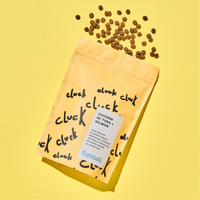
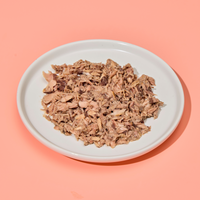
That's why grain-free matters to us: cats don't need grains, but they absolutely do need animal protein. Fuzzball's wet food is made from 100% whole meats at 75% protein, and our dry is 70% protein, both grain-free with no added sugar.
Can Domestic Longhair Cats Digest Grains Properly?
The more useful question isn't really about grains at all; it's about the meat. Every part of a recipe not given over to grain is room for more meat and animal protein, and that's what fuels lean muscle, steady energy, and healthy skin and coat. A good grain-free diet simply means more of what your cat is built to thrive on, and less of the filler that does none of those jobs.

What Are the Signs That Grains Are Affecting Your Domestic Longhair?
You don't need to wait for a problem before choosing a meat-first diet. Grain-free isn't mainly about fixing symptoms; it's about feeding your cat the way a carnivore is meant to be fed from the start. Still, diet can show up in your cat's digestion, skin, and coat, so it's worth knowing what to look for.
Can Grains Cause Allergies in Domestic Longhairs?
True food allergies in cats are uncommon, and they need a proper diagnosis rather than guesswork. If you suspect one, your vet is the person to see; pinning down the trigger usually takes a controlled elimination diet, not simply switching to something labelled grain-free. In other words, grain-free is an everyday feeding choice, not a home remedy for allergies.
Can Grains Cause Digestive Issues in Domestic Longhairs?
Some cats don't tolerate particular ingredients well, and a change of food can sometimes settle things down. But persistent diarrhoea, constipation, or vomiting shouldn't be pinned on grains by default; recurring symptoms are worth a conversation with your vet.
Can Grains Affect a Domestic Longhair's Coat Quality?
Eating grains won't, on its own, leave your cat with a poor coat; the overall quality of the diet matters far more. Longhairs have a lot of fur to maintain, and hair is largely made of protein, so a diet with plenty of quality animal protein, alongside essential fatty acids, gives their body what it needs to keep skin and coat in good shape.

What Are the Benefits of Grain-Free Food for Domestic Longhairs?
The real benefit of grain-free isn't what's left out; it's what the recipe puts first instead. As obligate carnivores, cats do best on food built around real meat and plenty of animal protein, not grain they have no need for. For a longhair, that protein matters all the more, going towards muscle, skin, and that long coat.
So when comparing foods, look past the grain-free claim and check how much meat is in the recipe, how much protein it contains, and whether the ingredients are clearly named. Grain-free is only part of what makes Fuzzball a good choice; it's the real meat and high animal protein behind the label that do the work.
In the end, it comes down to a simple distinction: cats don't need grains, but they do need animal protein. You don't have to wait for a grain problem to justify choosing better; for an obligate carnivore like your longhair, a meat-first, grain-free diet is simply the sensible everyday choice.