



Domestic Longhair Nutrition Needs: What's Best?

If you share your home with a Domestic Longhair, you've probably noticed just how much maintenance that gorgeous coat requires and that maintenance starts from the inside out. So when it comes to nutrition, what actually makes a difference for this breed?
A high-quality, protein-rich diet can support healthy skin, a strong coat and overall well-being, while adequate hydration helps support digestion.
Wet Food vs Dry Food: What's Actually Better For Domestic Longhair Cats?
There's no single right answer on whether wet food or dry food is better because it depends on your cat's needs, but here's how each stacks up for a Domestic Longhair specifically:
Wet Cat Food
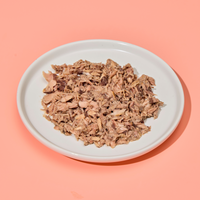
Wet cat food is higher in moisture, which supports hydration and healthy digestion. Better digestion means hairballs are less likely to build up and easier to pass when they do. Fuzzball offer a diverse wet food range that includes:
- Chicken
- Tuna
- Beef
- Tuna and Salmon
- Chicken and Duck
- Mackerel with SquidBeef
- Mackerel with Shrimp
They are all 100% real meat or fish, with enough variety to rotate flavours and keep mealtimes interesting.

Dry Cat Food
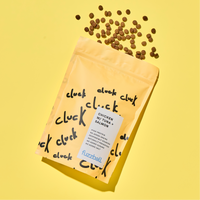
Dry food is convenient, has a longer shelf life, and the crunching action can help reduce tartar build-up. Fuzzball's dry range includes:
- Chicken
- Chicken and Tuna
- Turkey and Chicken
- Salmon with Sweet Potato option formulated for kittens.
For many longhairs, a combination of both works best: wet food for hydration and digestive support and dry food for convenience and dental benefits. Freeze-dried treats can round out the routine as an occasional, high-value reward.
Don't Forget Fresh Water
Hydration is an important part of keeping your Domestic Longhair healthy, particularly if they eat a lot of dry food. Always provide access to clean, fresh water and consider adding wet food to their daily routine to increase moisture intake.
Good hydration also supports normal digestion and can help your cat manage the hair they naturally swallow while grooming.

Wet Food and Dry Food Comparison
|
Feature |
Wet Food |
Dry Food |
|
Hydration |
High moisture content helps support hydration |
Contains less moisture, so fresh water is especially important |
|
Convenience |
Needs refrigeration after opening |
Easy to store and measure |
|
Texture |
Soft and easy to eat |
Crunchy texture |
|
Variety |
Available in a range of meat and fish flavours |
Convenient option for everyday feeding |
|
Best for |
Cats that need additional moisture in their diet |
Convenience and easy portioning |
|
Combination feeding |
Can be paired with dry food |
Can complement wet food |
Does Age Affect Your Domestic Longhair's Nutrition?
Your Domestic Longhair's nutritional needs can change throughout their life. Kittens need nutrient-dense food to support growth and development, while adult cats need a balanced diet that maintains a healthy weight and supports muscle mass. Senior cats may have different nutritional requirements, so choosing food suited to their life stage is important.
Can the Right Diet Help With Hairballs?
A healthy, balanced diet can support your cat's digestive health and make swallowed hair easier to pass. Because Domestic Longhairs groom themselves frequently, they naturally ingest more loose hair than short-haired cats.
Adequate hydration, high-quality nutrition and regular grooming can all help support healthy digestion and reduce hairball problems. If your cat is frequently vomiting hairballs or showing signs of digestive discomfort, speak with your veterinarian.

How Much Should You Feed a Domestic Longhair?
Portion size is just as important as ingredient quality. Domestic Longhairs can be prone to weight gain if they eat more calories than they need, particularly if they lead an indoor or less active lifestyle. Follow the feeding guidelines on your cat food and adjust portions based on your cat's age, weight and activity level.
Fresh water should also be available at all times, particularly when feeding primarily dry food.
What Really Matters: Ingredient Quality
Regardless of wet or dry, the biggest factor for a long-haired cat's nutrition is what's actually in the food. You should be looking out for cat food brands that guarantee whole meats over fillers, as cats are obligate carnivores and require protein, not grains or fillers.
Secondly, keep an eye out for sugars- these are a big no. Sugar in a cat's diet can contribute to excess weight gain and digestive issues.
Your cat’s diet should have complete nutrition, with high protein and no fillers. Fuzzball offers real meats and fish in their selection, meaning that your Domestic Longhair will receive a fully balanced diet when you sign up for their subscription packs.