



How to Tell if Your Cat's Diet Is Actually Working for Them

Your cat can't exactly give you a review of their dinner. But if you know what to look for, their body tells you a lot about whether their food is actually working for them.
A good diet should do more than fill the bowl or scrape past the minimum. Cats are obligate carnivores with high protein needs, so their everyday food should give them plenty of quality animal protein and real meat, alongside all the essential nutrients. Weight, coat, energy, and even what turns up in the litter tray all offer clues about whether you've got it right.
What Does a Healthy Cat Actually Look Like?
There's no single perfect weight or shape for every cat. Breed, age, size, lifestyle, and genetics all play a part.
As a rule, though, a healthy cat holds a stable weight and good muscle condition, has the energy to play and explore, and shows a healthy coat, a normal appetite, and regular, well-formed stools. Diet is only one piece of that picture, since exercise, genetics, and underlying health matter too, but because food is something your cat relies on every day, it's a good place to start.
How Long Does It Take to See Results From a New Cat Diet?
Some changes come quickly. If a new food agrees with your cat, you may notice a difference in their stools within days or weeks. Weight, muscle, and coat quality take longer to shift.
Give your cat time to settle in, and don't judge a new food after a couple of meals. Unless your vet says otherwise, transition gradually over around 7 to 10 days.

What Is a Body Condition Score and How Do You Use It?
A body condition score is a simple way of judging whether your cat is underweight, overweight, or about right, looking at their overall shape and how easily you can feel their ribs rather than the scales alone.
At a healthy condition, you should be able to feel the ribs under a light covering of fat without pressing hard, and see a clear waist from above. Your vet can show you how to check your own cat properly.
Signs Your Cat's Diet Is Working
Knowing if your cat is on a diet that is working for them is important. However, there's no single test to know whether or not your cat’s diet is working, so you need to look at the whole picture. Here are some of the most common signs that your cat’s diet is working for them:
Healthy Weight and Body Condition
One of the clearest signs is a stable, healthy weight with good muscle. Protein matters here especially, since cats use it to maintain lean muscle and support normal body function. That's why it's worth looking past whether a food is simply labelled "complete" and checking how much protein it contains, where it comes from, and the percentage of real meat.
A Shiny, Well-Groomed Coat
A soft, glossy coat is another good indicator. Hair is largely made of protein, and essential fatty acids help keep skin and fur healthy, so a diet rich in animal protein gives your cat the building blocks for a good coat. A sudden decline shouldn't automatically be blamed on food, though, as parasites, allergies, grooming trouble, and illness can all play a part.
Good Energy Levels and Playfulness
A cat whose diet suits them usually has the energy for their normal day. That doesn't mean sprinting around from dawn to dusk; cats sleep a lot, and activity varies hugely from one to the next. What you're after is normal energy for your cat, so a lasting drop is worth looking into.
Healthy Digestion
The litter tray tells you more than you might like to know. Regular, well-formed stools are a good sign your cat is digesting well, while persistent diarrhoea, constipation, excessive wind, or frequent vomiting suggests something isn't right. Food isn't always the cause, so recurring trouble is worth a chat with your vet.
Clean Teeth and Healthy Gums
Healthy gums should look pink rather than red, swollen, or bleeding, and your cat shouldn't struggle to chew. Diet is only one part of dental health, though, and dry food is no substitute for proper dental care.

How Often Should You Reassess Your Cat's Diet?
Don't assume the amount that suited your cat a year ago is still right today. As they grow, age, slow down, or become more or less active, how much they need can shift, so it's worth revisiting portion sizes rather than setting the bowl and forgetting it. A cat gaining weight usually needs a little less; one losing condition may need more. Check their weight and body condition regularly, and watch for changes in appetite, digestion, energy, and coat.
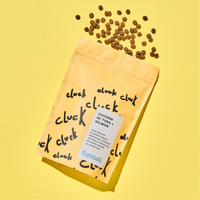
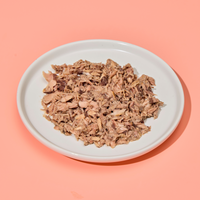
It's also worth looking at the food itself. How much real meat does it contain? Is it high in animal protein? Are the ingredients clearly named, or does it lean on grains, added sugar, fillers, or vague "meat and animal derivatives"? Fuzzball's wet food is made from 100% whole meats at 75% protein, and the dry is 70% protein, both free from grains and added sugar and complete for everyday feeding.

What to Do If Your Cat's Diet Does Not Seem to Be Working
Start by working out what's changed. If your cat is gaining weight, check their portions, treats, and overall calorie intake. If their digestion is off, think about whether it started after a particular food. If they're losing muscle or their coat has dulled, look again at the quality and protein content of their diet. Persistent symptoms, unexplained weight changes, repeated vomiting or diarrhoea, or a real shift in appetite should always be checked by your vet.
In the end, the best diet is the one that works for the cat in front of you. Look at the food, but look at your cat too: a healthy weight, good muscle, comfortable digestion, normal energy, and a glossy coat are all signs you're on the right track. And if you ever have concerns about your cat's diet, weight, or health, your vet is always the best person to ask.