




How To Help An Overweight Cat Lose Weight Safely

Helping an overweight cat lose weight is a process that requires patience, consistency and a bit of strategy. It can be tempting to want results fast, but weight loss for cats has to be a slow and steady process. “The goal is always slow and steady wins the race because a cat that loses weight too quickly can have health hiccups.
If you’ve noticed that your feline friend is looking a little robust lately, don’t worry. With a few simple changes to their daily routine, you can help them get back to a healthier, more active self.
The Slow and Steady Rule
The most important thing to remember is that you should never put a cat on a crash diet. If a cat stops eating or loses weight too quickly, it can put a huge strain on their internal systems. In general, a safe weight loss rate is very small, often only a few ounces a week.
Think of it as a lifestyle change, not a temporary fix. You’re not just looking for a lower number on the scale - you’re looking to build better habits that will last for the rest of your life.
Learn To Control Your Portions
Most cats get fat because they are taking in more energy than they are burning. The first step to any weight loss plan is knowing exactly how much food is going into the bowl.
Use a Scale, Not a Scoop
Measuring cups are surprisingly inaccurate. A heaping scoop vs a level" scoop could be a 20 per cent difference in calories. If you can, weigh your cat’s food in grams with a digital kitchen scale. This means that every meal is the same, and if the weight isn’t moving, you can make small, exact changes.
Look At The Packaging
The feeding guides on the bags of cat food are often for active, un-neutered cats. Many indoor cats that are spayed or neutered require far less than the bag recommends. Begin by giving the amount recommended for their target weight, not their present weight and adjust as needed according to how they’re doing.

Switch To Scheduled Meals
If you are currently free-feeding dry food all day, now is the best time to stop. Free-feeding means you don't know how much your cat is eating and encourages snacking out of boredom.
Switch to two to four small, scheduled meals a day. This will regulate your cat’s metabolism. It also makes food more of a special occasion, which can help increase their interest in playtime afterwards.
Focus On High-Protein And Low-Carb Foods
Cats are predatory by nature. They’re really good at digesting proteins and fats, but they don’t have a big need for carbohydrates. Many dry foods use maize or potatoes as a carbohydrate to bind the kibble. Extra carbs can be a hurdle for a cat that wants to lose weight.
The Power Of Wet Food
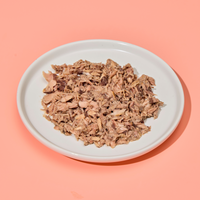
Wet food is often a weight loss secret weapon. It is naturally high in moisture, which helps fill your cat up and is usually far lower in carbohydrates than dry food. If your cat is used to kibble, try switching one of their daily meals to high-quality wet food. Additional hydration is good for their whole system as well.
Turn Exercise Into A Hunting Game
You can’t just take a cat for a three-mile jog, but you can use their natural hunting instincts to get them moving.
Interactive Play
Most toys just sit on the floor and do not promote exercise. You need interactive play. Use a feather or string wand toy and move it like a bird or mouse. Let your cat squat, stalk, jump and pounce. Two 10-minute sessions per day is the goal. If your cat gets tired easily, any amount of movement, even five minutes, is better than none.
Vertical Movement
Get your cat moving by placing their food in a place that requires some work to get to. If they’re physically able, forcing them to jump and climb by placing their food on a strong cat tree or high counter burns more calories than eating off the floor.

Use Food Puzzles
In nature, cats spend hours working for their food. They walk for thirty seconds to a bowl in our homes. Food puzzles or foraging toys are a great way to bridge this gap.
You can buy puzzles or make your own by poking holes in a cardboard egg carton or a plastic bottle. Your cat will need to bat the toy around to make the kibble fall out. This slows down their eating and makes mealtime a physical and mental workout.
Check the Treats
Often, hidden calories in treats stall weight loss. A few treats a day may feel like a little bit of love, but they can add up to 25% of a cat’s daily calorie requirements.
Small Pieces
If you are giving treats, break them into the smallest pieces possible. A cat will derive as much satisfaction from a crumb as from a biscuit.
The Kibble Swap
Remove 5 or 10 pieces of kibble from their measured breakfast and add to a jar. Use those as treats throughout the day. Your cat gets the reward, but the total calories consumed in the day are the same.

Monitor And Be Patient
You won’t notice a difference in your cat’s silhouette overnight. It can take months for a cat to reach a safe goal weight.
The Weekly Weigh In
Weigh your cat once a week, on the same day and at the same time. If you don’t have a pet scale, weigh yourself with the cat and then subtract your own weight. If the number stays exactly the same for 3 consecutive weeks, you may need to cut back on their portions a little or increase their play sessions.
Visual checks add small victories to the scale. Is your cat better at grooming himself? Are they getting onto the sofa more easily? Are they more about playing? These are all signs that their weight loss is working and their quality of life is improving.