


Essential Nutrients for a Ragdoll

All cats may be created equal, but Ragdolls are in a class of their own. Floppy, docile and oh-so-cuddly. Ragdolls are often larger than other breeds, so it is important to ensure their diets are nutritious to support muscle, bone structure, smooth skin and shiny fur.
Understanding Ragdoll Nutritional Needs
Ragdolls are one of the largest breeds of domesticated cats, with males reaching weights of 20 pounds. Additionally, they do not reach their full size until they are 4 years old. Because of this, they have extended periods of time where they have high nutritional requirements due to their large size and slow-growing weight.
What is the Nature of Ragdoll
Ragdoll cats are naturally relaxed. Because they are not likely to zoom around the house like Bengles or Abyssinians to burn off energy, it is important to monitor the amount of calories they consume. Excess calories can lead to obesity, which increases the risk of joint and organ problems, as well as the heart. Ragdoll nutrition is not simply about feeding; it is about feeding well.
High Quality Protein Cat Food Diet for Ragdolls
Cats are obligate carnivores. That's not a preference- it's biology. Their bodies are specifically designed to derive nutrients from animal-based protein, and a Ragdoll's large, muscular frame makes adequate protein intake even more critical than it is for smaller breeds. Protein is responsible for muscle maintenance and growth, tissue repair, immune function and the production of hormones and enzymes. It also provides the essential amino acids that cats cannot synthesise on their own, including taurine, which is critical for heart health and vision.

Omega Fatty Acids for Healthy Skin and Shiny Coats
Omega-3 and Omega-6 are fatty acids that are also important to Ragdoll nutrition. In addition to protein, Omega fatty acids are important for skin, coat, brain and immune health. If Ragdolls do not get adequate amounts of omega fatty acids in their diet, they experience dry and flaky skin, and their coat does not have that silky shine that Ragdolls are known for. If your Ragdoll isn’t receiving adequate nutrition, they may experience low-grade itchy inflammation and ultimately lose their vitality. If any of these changes occur, it is important to see your trusted veterinarian.
What to Feed Your Cat for Omega-3 and Omega-6
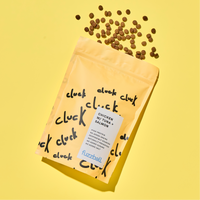
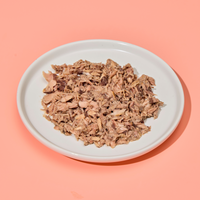
Omega-3 fatty acids are found in salmon and tuna and other oily fish, while omega-6 fatty acids are derived from animal fats, including chicken and other meats. Fuzzball offers a great range of high-quality protein, such as a mix of chicken and tuna dry food or tuna and salmon wet food.
Importance of Taurine for Your Cat
Taurine is an amino acid found exclusively in animal tissue, and unlike most mammals, cats cannot produce it in sufficient quantities on their own. This makes it an essential amino acid in a cat’s diet, which they can get from their food. Taurine is vital for heart muscle function, and Ragdolls are already predisposed to developing Hypertrophic Cardiomyopathy (HCM). Aside from that, taurine is also essential for the proper functioning of the retina and eyes, the reproductive system and the immune system of kittens. The richest sources of taurine are organ meats, fish and poultry, so a high-quality, meat-based diet naturally includes taurine derived from animal ingredients.
Keeping Your Ragdoll Cat Hydrated
Feeding your Ragdoll only (or mostly) dry food may put them at risk of being dehydrated if there is no clean and accessible water nearby. Keeping your kitty hydrated is something to keep in mind when choosing their food; there is no right or wrong answer, whether you go for a solely dry or wet cat food diet, or mixed; keeping clean water in your cat’s home is key to proper hydration.
Vitamins, Minerals and Micronutrients
Beyond the macronutrients, Ragdolls need a balanced supply of vitamins and minerals to support every aspect of their health. These don't need to be added separately if the diet is genuinely nutritionally complete, such as the food designed by Fuzzball, but understanding what they do require can help you choose the right food.
Importance of Calcium and Phosphorus for Ragdolls
Calcium and phosphorus are needed for the formation of strong bones. Ragdolls are generally larger cats and therefore require more of these minerals. These two minerals also need to be balanced- for example, too much phosphorus without calcium, or the other way around, can cause problems.

What Not to Include in a Ragdoll's Diet
It is important to understand what to keep away from your Ragdoll, including no grains, fillers or high-carb ingredients such as corn, wheat, rice and soy:
- No artificial colours, flavours, or preservatives: these are associated with food sensitivities and offer no nutritional value
- No excessive sodium: may be a concern for Ragdolls with heart conditions
- No by-products and protein meals: lower quality, less bioavailable and often nutritionally inconsistent
- No excessive high-phosphorus foods: especially important for Ragdolls with PKD risk
Feeding Throughout the Life Stages of a Ragdoll
Ragdoll cats are larger than usual, meaning that their dietary requirements are unique:
Ragdoll Kittens
Ragdoll kittens grow more slowly than most breeds and therefore have higher nutritional requirements for a longer time than most breeds. Kittens need more protein, fat and more calcium and phosphorus than adults to support bone development, muscle growth and brain maturation. Provide a nutritionally complete kitten recipe a few times a day, ensuring whole meat is the primary ingredient.
Adult Ragdolls
When a Ragdoll reaches adulthood, the goal is to ensure they maintain an adequate weight and not to overfeed- this means controlling portion sizes. Ragdolls typically need around 70 calories for every kilogram they weigh, and they typically won’t burn off any additional calories due to their relaxed temperament. Feeding them high-quality protein and low-carb food in 2-3 meals a day is an ideal feeding plan.
Senior Ragdolls
Ragdolls tend to be less active as they age. Coupled with a generally slower metabolism and higher-quality protein requirements, feeding them the right food is crucial. Ageing Ragdoll cats should be fed a diet that includes high-quality protein and is lower in phosphorus and fat. This diet will help support the Ragdoll as it ages.

Why Choose Fuzzball Cat Food for Your Ragdoll?
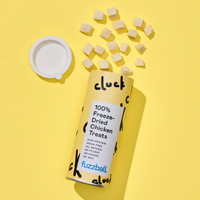
At Fuzzball, we centre our formulas on what Ragdolls truly need, which is 100% whole meat, no grains, no sugars, no fillers and no other hidden ingredients that don't deserve to be in the bowl. Every recipe is complete and balanced- which means that the nutrients Ragdolls need are already in their food, rather than added later.