


How Your Cat’s Age Impacts Their Nutritional Needs

Cats may not complain about birthdays, but their bodies definitely notice the passing years. From slowing down a little in their middle age to needing extra care in their golden years, their diet plays a huge role in keeping them healthy and content. Understanding how nutrition changes with age means you can keep your feline friend feeling their best, whether they are seven or seventeen.
Why Does Food Choice Matter for Cats?
Food is more than fuel for cats. It affects everything from their energy levels and muscle strength to the shine of their coat. Meals are also one of the highlights of a cat’s day, and the right food can make them happier, healthier and more comfortable.
Real Ingredients Make the Difference
Cats thrive on food that is made with real meat and free from unnecessary fillers. Meals that are grain-free and contain no added sugars or salts not only taste better but are also gentler on their stomachs. Choosing wholesome food early in life sets your cat up for good health later on and makes it easier to adapt their diet as they age.

How Your Cat’s Age Impacts Their Nutritional Needs
Cats age gracefully, but their needs in the food bowl shift over time. Just as kittens require calorie-packed meals to fuel growth, mature and senior cats need nutrition that supports their slowing metabolism, changing activity levels, and overall well-being.
Cats do not age in quite the same way humans do, yet their life stages mirror our own in many ways. A cat in their mature years, between 7 and 10, can be compared to a human in their 40s or 50s. By the time they reach their senior years, 11 to 14, their bodies are closer to a human in their 60s or 70s. At 15 and older, cats are true elders, needing the same extra care and comfort that older humans would.
As cats age, their metabolism slows, they often become less active, and they may be fussier about what they eat. Some lose weight because of reduced appetite, while others gain weight because they move less. Paying attention to these changes and choosing foods tailored to their stage in life helps avoid common problems such as obesity, dehydration, or nutrient deficiencies.
Kittens (Under 1 Year): Building Blocks for Growth
Kittens are bundles of energy, and their rapid growth means they need more calories, protein, and fat than older cats. This is the stage where nutrient-rich meals are essential to support strong bones, sharp minds, and healthy immune systems. Feeding a balanced, high-protein diet without unnecessary fillers helps kittens grow steadily without stomach upset.
Young Adult Cats (1–6 Years): Thriving in Their Prime
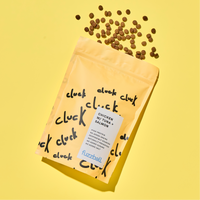
Once kittens grow past their first year, they enter the longest stage of their lives, young adulthood. Think of this as their energetic 20s and 30s in human years. At this age, cats are usually at their healthiest and most active, which means they need a diet that fuels play, hunting instincts, and plenty of zoomies. High-quality protein should still be the main ingredient, but calorie levels should be carefully balanced to prevent weight gain as their growth slows. Grain-free meals with real meat, like Fuzzball’s indoor dry food with chicken, tuna, and salmon, give young adults the nutrition they need to stay lean, strong, and ready for adventure.
Mature Cats (7–10 Years): The Middle Years
At this stage, cats are in the prime of their lives but may start to show subtle signs of ageing. Their once boundless energy often mellows out, and they can become more particular about flavours and textures. Weight management becomes especially important, as overeating and reduced activity can lead to extra weight that strains joints and increases the risk of conditions like diabetes or osteoarthritis. This is the perfect time to feed balanced meals that are high in quality protein but not overloaded with calories.
Senior Cats (11–14 Years): Slowing Down Gracefully
Once cats enter this stage, their energy levels decline further. Joints may stiffen, and grooming may become less frequent, leading to changes in their coat. They are also more prone to age-related conditions such as kidney disease, so maintaining a balanced diet becomes essential.
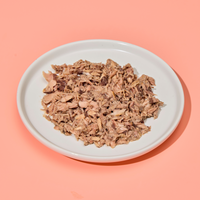
Senior cats often benefit from meals that are easier to digest but still provide the nutrients they need to stay active and comfortable. Many pet parents also choose to soften dry food with a splash of fresh water or mix it with wet food to support hydration, something especially important for older cats.
Golden Oldies (15+ Years): Special Care and Comfort
Cats that reach 15 and beyond truly deserve extra care. Their teeth may be worn or even missing, which can make chewing dry kibble uncomfortable. They may also lose their appetite due to a weaker sense of smell or taste. Hydration becomes critical at this stage, as older cats are more prone to dehydration and its associated health problems.

What Does Your Cat Need at Each Life Stage?
Every stage of a cat’s life comes with its own dietary priorities. From playful kittens needing extra protein to golden oldies who benefit from softer meals, adjusting nutrition along the way keeps your cat healthy and happy. Here’s a simple breakdown:
|
Cat Age |
Human Age Equivalent |
Nutrition Focus |
|
Kittens (0–1) |
Kids & teens |
Growth, protein, high calories |
|
Young Adults (1–6) |
20s–30s |
Energy, lean muscle, weight balance |
|
Mature Cats (7–10) |
40s–50s |
Balanced protein, calorie control |
|
Senior Cats (11–14) |
60s–70s |
Easy digestion, hydration, joint support |
|
Golden Oldies (15+) |
70s+ |
Soft meals, appetite support, hydration |
Why Hydration Matters at Every Age
No matter the stage of life, hydration plays a vital role in a cat’s health. Mature and senior cats may drink less than they should, so offering wet food or adding water to dry kibble can help keep them hydrated. Always provide clean, fresh water in multiple spots around the home, and consider using a cat fountain, which encourages drinking by appealing to their love of running water.
What is The Role of Treats in a Cat’s Diet
Treats are a fun part of life for both cats and their humans, but they should only ever be an occasional extra rather than a main meal. Too many treats can lead to weight gain, upset stomachs, or missing out on the essential nutrients found in complete cat food.
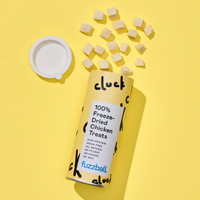
Choosing natural, single-ingredient treats is the safest way to spoil your cat without compromising their health. Fuzzball’s 100% salmon treats are a great example; they are made with real fish, contain no added sugars, salts, or fillers. Offered sparingly, treats become a joyful bonding moment that adds variety without upsetting the balance of your cat’s diet.