


Do Cats Need Wet Food?

If you’ve ever stood in the pet food aisle looking at the endless rows of colourful cans and bags, feeling completely overwhelmed, you’re not alone. As cat parents, we want to give our furry friends the best life possible. One of the biggest debates in the pet world is whether cats really need wet food or whether they can just get by on dry kibble alone.
In short, wet food is incredibly good for cats, though dry food is certainly convenient. Adding wet food to your cat’s daily diet is, in fact, one of the easiest and most effective ways to protect your cat’s health, keep them hydrated and help them to thrive.
The Moisture Secret
To understand why wet food is so important, we need to look at the origins of cats. The ancestors of our domestic cats were desert dwellers before they became pampered living room royalty.
There is little water in the desert, so wild cats evolved to get almost all of their water from the animals they hunted (like mice and small birds). So, cats have a very low thirst drive. This means cats don’t naturally get thirsty like humans or dogs do. They were not made to walk up to a water bowl and slurp drink after drink.
The Dry Food Problem
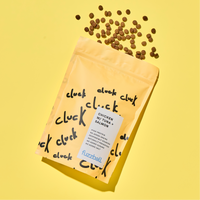
Dry cat food contains only about 10% water. Cats who eat only dry food are in a state of mild dehydration all the time because their bodies expect food to have water in it.
The Wet Food Solution
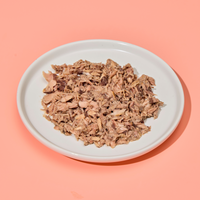
Quality wet food is typically 70% to 80% water. When your cat eats a bowl of wet food, it’s both eating and drinking at the same time. It was what nature intended for them.

Protecting The Kidneys And Urinary Tract
Cats are notoriously bad at drinking enough water, so feeding them an all-dry diet can put a huge strain on their internal organs over time.
In chronic dehydration, cat urine becomes very concentrated. This is a perfect place for bad health issues to develop. Urinary Tract Infections (UTIs) and bladder stones are among the most common problems in cats. These conditions are very painful for your cat and can lead to expensive and stressful trips to the vet.
More serious is Chronic Kidney Disease (CKD), one of the leading causes of sickness in ageing cats. Wet food won’t cure kidney disease, but the added moisture will act as a daily flush on your cat’s kidneys. It helps flush out toxins, dilute the urine and keep the entire urinary system functioning properly. Think of wet food as a barrier that helps protect your cat from these common illnesses.
High Protein, Low Carbs: The Ideal Cat Diet
Cats are what scientists refer to as “obligate carnivores”. It just means they are strict meat eaters. Their bodies are biologically designed to convert animal protein and fat, not carbohydrates such as maize, wheat or potato.
Feeding your cat wet food provides them with a diet that is ideally suited to their biological needs. High protein content helps your cat to maintain strong, lean muscles, and the low carbohydrate content prevents them from gaining unnecessary weight.
Obesity Control And Prevention
Today, obesity is a huge health crisis in house cats. While a plump kitty may be cute, extra weight puts a lot of stress on her joints and greatly increases her risk of feline diabetes. There are two main reasons why wet food is a great tool for weight management.
Simpler Portion Control
It is ridiculously easy to overfeed dry food by mistake. A bowlful of dog kibble looks like a small amount, but it is actually very high in calories. Wet food is sold in cans or pouches in pre-measured amounts. Open one up and feed it to your cat, and you’re done.
The Fullness Factor
Wet food is loaded with water and therefore takes up a lot of physical space in your cat’s stomach. It lets your cat eat a good amount of food and feel satisfied and happy without eating too many calories. It’s just like if you eat a big bowl of soup versus a handful of potato chips, even though the potato chips may have more calories!

Better Digestion And Fewer Hairballs
Nobody likes waking up to the sound of a cat coughing up a hairball on the carpet. Hairballs are a natural part of a cat’s life, but frequent hairballs may be a sign of a sluggish digestive system.
Water is the oil of the digestive tract. A cat that gets plenty of moisture in its diet will have food — and fur that is swallowed during grooming — pass easily through the stomach and intestines. Wet food keeps the digestive system hydrated, which means better nutrient absorption, less constipation and fewer hairballs getting trapped.
The Best Choice For Seniors And Picky Eaters
Cats often develop dental problems as they age. Chewing hard, crunchy, dry kibble can be a chore that is painful for dogs with gingivitis, broken teeth or missing teeth. Many older cats will begin to eat less, simply because their mouths hurt. Wet food has a soft, smooth texture and requires very little serious chewing. Gentle to tender gums and easy to swallow.
Wet food is a godsend for the picky eaters. Cats use their sense of smell extensively to decide whether something is food. Wet food is naturally much more aromatic than dry kibble, especially if it is warmed up a bit. "The rich smell and juicy texture is often enough to entice even the most stubborn or sick cat to come to the bowl and take a bite."

How To Get The Best Balance
Does that mean you have to throw out all your dry food right now? No, sir! All wet-food diets are great, but many cat parents have had success with mixed feeding.
If you want to, you can give your cat a scoop of dry kibble in the morning before you go to work and then give them a nice, nutritious can of wet food when you get home in the evening. Whatever amount of wet food you add to your cat's bowl is a step in the right direction, as it introduces that crucial, life-saving moisture into their day.
Quick Tips for Feeding Wet Food
- Look for Meat First: Look at the ingredient label. The first ingredient should always be real meat, such as chicken, turkey, salmon or beef and not a grain or filler.
- Serve at room temperature: Cats hate cold food. Let it sit for a few minutes or add a splash of warm water to bring out the aroma.
- Don’t Leave It Out Too Long: Wet food will spoil if left out all day, unlike dry food. If your cat doesn't eat it after a few hours, pick up the bowl and clean it.