

Is Wet Cat Food More Natural Than Dry Food?

When it comes to feeding your cat, the choice between wet and dry food is one that divides pet owners and sparks plenty of debate. Both options have their place, and both have their advocates, but if you are wondering which one more closely aligns with what your cat would naturally eat in the wild, the answer is fairly clear. Wet cat food, with its high moisture content, animal-based protein, and minimal carbohydrates, is widely regarded as the more natural option for domestic cats.
That said, not all wet cat food is created equal. The quality of ingredients, the level of processing, and the nutritional profile can vary significantly from one brand to the next
Does Wet Cat Food Contain Fewer Additives than Dry Food?
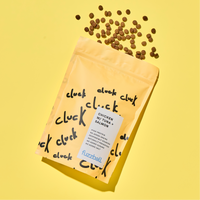
Yes, wet cat food typically has a lower amount of preservatives and additives compared to dry cat food. Wet food is sterilised through canning (heating), which means it needs fewer chemical preservatives for shelf life compared to dry kibble, which uses additives to prevent rancidity and maintain stability. However, if you buy your cat food from a reputable company like Fuzzball, there won’t be any additives in both the wet and dry cat food.
Is the Protein Quality in Wet Cat Food Better than in Dry Food?
Wet cat food typically provides better quality protein because it contains higher levels of animal-based protein and fewer fillers compared to dry food. Wet food is more in line with a cat's natural dietary requirements as an obligate carnivore, due to its reduced carbohydrate content and increased moisture. It helps with hydration and is often easier to consume.
What Are the Benefits of Wet Cat Food?
There are lots of different benefits to giving your cat wet food. Especially if it’s high quality like the wet food Fuzzball provides. Here’s a list of the main benefits:
|
Benefit |
Explanation |
|
Higher Moisture Content |
Wet cat food contains significantly more water, which helps support hydration and urinary tract health. |
|
Closer to a Natural Diet |
It often mimics the texture and moisture levels of prey, aligning more closely with a cat’s natural eating habits. |
|
Higher Protein Levels |
Many wet foods contain higher amounts of animal-based protein compared to dry alternatives. |
|
Easier to Chew |
The soft texture makes it ideal for kittens, senior cats, or cats with dental issues. |
|
Fewer Carbohydrates |
Wet food typically contains fewer carbohydrates, which suits a cat’s carnivorous diet. |
|
More Palatable |
Stronger aroma and texture often make wet food more appealing to picky eaters. |
|
Higher moisture and protein content can help cats feel fuller for longer. |
|
|
Easier to Digest |
The softer consistency may be gentler on sensitive stomachs. |
Is Wet Cat Food Really the More Natural Choice?
Yes, wet cat food is often regarded as the more "natural" option for domestic cats, mainly because it better resembles the hydration levels and macronutrient profile of a wild cat's diet. Although dry food is convenient, its low moisture content and higher carbohydrate levels are at odds with a cat's natural needs for high moisture and meat-based protein.
Does the Processing in Wet Cat Food Affect Nutritional Value?
The method used to process wet cat food, namely, retorting or high-heat sterilisation, has an impact on its nutritional value. This is due to a reduction in certain vitamins that are sensitive to heat (such as thiamine, folic acid, and B12) and a decrease in protein digestibility. However, producers frequently offset these losses by incorporating surplus nutrients, and this process guarantees safety, a high moisture content, and enhanced palatability.

Cost vs Quality: Does Quality Mean More Expensive?
As with anything, there are tiers when it comes to wet cat food. If you buy wet cat food at your local supermarket, it is cheaper and therefore it has fewer nutrients and vitamins in it. Paying a bit more for your cat’s food means that you are paying for quality. For example, Fuzzball provides a wet cat food filled with all the protein and vitamins your cat needs while making sure that 75% of the can is protein.
Can You Combine Wet Cat Food With Dry Cat Food for a Balanced Approach?
Yes, mixing wet and dry cat food is a great method for offering your cat a balanced, diverse, and nutritious diet. This method, commonly referred to as "mixed feeding," merges the high moisture content of wet food with the practicality and dental advantages of dry kibble.
How is Wet Cat Food Processed
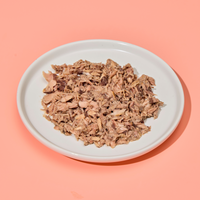
Wet cat food is made by combining fresh or frozen meat components with nutrients, gravy, or jelly. This mixture is sealed in cans or pouches and cooked at high temperatures to achieve sterilisation, safety, and an extended shelf life. This technique eliminates pathogens, retains moisture, and produces textures such as chunks, loaf, or pâté.
Ultimately, the decision between wet and dry cat food comes down to understanding your cat's natural nutritional needs, and wet food, with its higher moisture content, quality protein, and closer resemblance to a cat's natural diet, makes a compelling case for being the better choice. Whether you choose to feed your cat exclusively wet food or opt for a mixed feeding approach, the most important thing is that the food you choose is high quality, nutritionally complete, and tailored to your cat's individual needs. At Fuzzball, every recipe is crafted with exactly that in mind, giving your cat the natural, protein-rich nutrition they deserve, without any of the additives they do not need.