

Can Wet Cat Food Help Cats With Constipation?

It can be so stressful to find out your kitty is having trouble using the litter box. Constipation is common in house cats, but the solution to help them get relief may be easier than you think. While severe or chronic constipation should always be treated with professional veterinary guidance, mild forms can often be managed and prevented by simply changing what goes into your cat’s bowl.
So, if you are wondering whether changing your cat’s diet will help with constipation, especially to wet cat food, the answer is a resounding yes. It is important to understand how wet food works to get your cat’s digestive system moving smoothly again.
What Causes Cat Constipation?
A cat, like you, gets constipated when waste material stays in the intestine for too long. The colon removes water from the waste, and if it stays there too long, the stool dries out, becomes hard and is very painful to pass. There are many medical reasons why a cat can become backed up, but the number one lifestyle cause is dehydration.
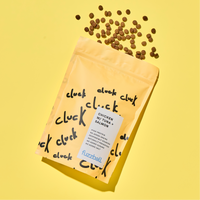
Naturally, cats have a very low thirst drive. Modern cats aren’t wired to drink enough water from a bowl. Their ancestors were desert animals that got their moisture from their prey. If you feed your cat dry kibble only, your cat is always dehydrated. Their body responds by pulling water out of their waste to keep the rest of their body functioning, leaving behind hard, dry stools.

How Wet Food Works As A Natural Solution
Wet cat food is a natural and healthy way to relieve and prevent constipation. It addresses the root of the problem in three key ways:
Major Moisture Boost
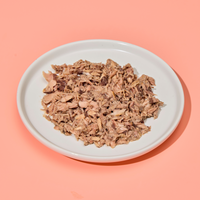
Dry kibble contains only about 10 per cent water, while a good wet food is packed with moisture, 70 to 80 per cent. With every single bite of wet food your cat eats, they are getting a ton of water. This additional hydration stays in the digestive tract, helping to keep stools soft, formed and easy to pass.
Natural Lubricants
Water is the lubricant in your cat's internal plumbing. When your cat’s digestive system is well hydrated, anything they swallow—whether it’s their food or fur they lick off while grooming—passes through the stomach and intestines without getting stuck.
Better Protein Alignment
Cats are obligate carnivores. Biologically, their bodies are designed to digest meat and not the heavy starches and carbohydrates used to bind dry kibble together. Wet food has more animal protein and fewer carbohydrates naturally, which is much easier on a cat’s stomach and leads to healthier, more regular bowel movements.

Dry Food vs. Wet Food for Constipation
To see exactly how the two main types of cat food compare when it comes to managing your cat's digestive health, take a look at the summary below:
|
Feature |
Dry Cat Food |
Wet Cat Food |
|
Water Content |
Very Low (Around 10%) |
Very High (70% to 80%) |
|
Impact on Stool |
Can make stools dry and hard |
Keeps stools soft and hydrated |
|
Digestive Speed |
Slower; requires more internal water |
Faster and smoother transit |
|
Carbohydrate Level |
High (used as a binding agent) |
Low (closer to a natural meat diet) |
|
Primary Benefit |
Convenient and long shelf-life |
Excellent for hydration and gut health |
How To Tell If Your Cat Is Constipated
It is best to treat constipation early on, before it becomes a serious medical emergency. Watch the litter box closely for these common warning signs:
- Straining, crying or spending a long time in the litter box with no result.
- Producing very small, hard, dry balls of faeces.
- Doing his business outside the litter box.
- Lethargy, poor appetite or vomiting.
If your cat has not had a stool in more than 48 hours or is actively vomiting and upset, go straight to the vet and skip the food transition.

Tips For An Easy Wet Food Transition
If your cat is used to dry cat food, it may take a little patience to make the switch to wet food. Here's how to switch safely and successfully:
- Slow down: Add a spoonful of wet food to their regular dry food. Gradually increase the amount of wet food over a week or two to avoid upsetting their stomach.
- Warm It Up: For the best flavour and to make the wet food more appealing, warm slightly to room temperature.
- Keep It Fresh: Wet food doesn’t work like kibble and should not sit out all day. Forget what they will eat in one sitting and pick up the rest after a couple of hours, so it doesn't go off.