


Can Dry Cat Food Cause Constipation in Cats?

Cats can be quite sensitive when it comes to digestion. Small changes in diet, routine, or hydration can sometimes affect how their body processes food. This is why issues like constipation can feel confusing, especially when your cat has been eating the same food for a while.
Dry cat food is a common part of many cats’ diets, but some owners wonder whether it could be linked to digestive problems. Understanding how dry food works and what factors influence digestion can help you make better choices for your cat.
Can Dry Cat Food Cause Constipation in Cats?
Dry cat food does not directly cause constipation in every cat, but it can contribute to it in certain situations. This usually depends on factors such as hydration, fibre intake, and your cat’s overall lifestyle.
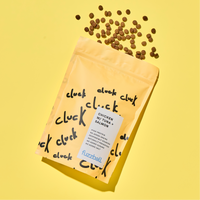
Unlike wet food, dry food contains very little moisture. If your cat is not drinking enough water, their stool can become firmer and more difficult to pass. Over time, this may lead to constipation. However, many cats eat dry food without any issues when their diet and hydration are well balanced.
Why Does Dry Cat Food Affect Digestion?
Digestion in cats relies on a balance of moisture, nutrients, and movement within the digestive system. When this balance is disrupted, it can slow things down. Dry food can sometimes play a role because the following are true:
- It has low moisture content
- Some formulas may lack sufficient fibre
- Cats naturally have a low thirst drive
If these factors combine, the digestive process can become slower, making it harder for waste to pass through comfortably.

Common Signs of Constipation in Cats
Constipation can show up in a few different ways, and the signs are often subtle at first. Paying attention to small changes can help you spot it early.
|
Behaviour |
What It Could Mean |
|
Straining in the litter box |
The stool may be too hard or difficult to pass |
|
Passing small or dry stools |
Lack of moisture in the diet |
|
Going less often |
Slower digestion or mild blockage |
|
Reduced appetite |
Discomfort affecting eating habits |
|
Low energy or restlessness |
General discomfort linked to digestion |
These signs may appear gradually, so it helps to monitor your cat over a few days rather than focusing on a single moment.
What Factors Increase the Risk?
Dry food alone is not always the issue. In many cases, constipation happens because of a combination of factors rather than one single cause.
Some of the most common contributors include:
- Low water intake
- Lack of dietary fibre
- Limited physical activity
- Excess grooming and hair ingestion
- Sudden changes in diet
In my experience, hydration is often the most overlooked factor. Many cats eating dry food simply do not drink enough water to balance it out.
How Can You Help Prevent Constipation?
The good news is that small adjustments can make a noticeable difference. You do not always need to completely change your cat’s diet to support better digestion. One of the simplest steps is encouraging more water intake. This can be done by placing multiple water bowls around your home or using a water fountain to make drinking more appealing.
You can also:
- Add a small amount of water to dry food
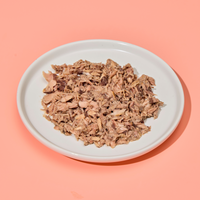
- Include some wet food alongside dry food
- Choose dry food with added fibre
- Encourage daily play to support movement
Pro tip: increasing activity can be just as important as adjusting food. Even short play sessions can help stimulate digestion naturally.

Should You Stop Feeding Dry Cat Food?
It is not always necessary to stop feeding dry food altogether. Many cats do well on a balanced diet that includes dry food, as long as their hydration and nutrition needs are met. Instead of removing dry food completely, it is often more effective to adjust how it is used. Combining dry and wet food, improving hydration, and choosing high-quality ingredients can help maintain a healthy balance.
Consistency is also important. Frequent changes to your cat’s diet can sometimes create more digestive disruption rather than solving the problem.
When Is It More Than Just Diet?
While diet plays a big role in digestion, it is not the only factor. Constipation can sometimes be linked to other underlying issues such as stress, ageing, or changes in routine.
If symptoms persist over time or become more noticeable, it may be a sign that something else is affecting your cat’s digestion. It’s always best to consult your vet when you feel something is wrong.
Final Thought
Dry cat food can contribute to constipation in some cases, but it is rarely the only cause. Factors like hydration, fibre, and activity levels all play an important role in keeping your cat’s digestion running smoothly.
By making small, consistent adjustments and paying attention to your cat’s habits, you can help support their comfort and overall well-being.