


Can Cats Be Vegetarian? What You Need to Know

No, cats cannot be vegetarian in the way people can. Cats are obligate carnivores, which means your cat's body needs certain nutrients that are found naturally only in animal tissue.
It is a question many owners ask, often because they follow a plant-based diet themselves and want their choices to match. It is a kind thought, but when it comes to cat food, what suits you is not what suits your cat.
This guide explains why cats need meat, what happens without it, and what to think about when choosing food for cats.
Are Cats Naturally Carnivores?
Yes. Cats are obligate (or "strict") carnivores. Unlike dogs, who are more flexible, cats evolved to get almost everything they need from prey animals such as mice, birds and other small creatures. Your cat's teeth, short digestive system and metabolism are all built for eating meat.
Even a well-fed house cat still has these instincts and needs. The sofa has changed, but the biology has not.
Why Do Cats Need Meat in Their Diet?
Cats have a very high protein requirement compared with many other animals. They also cannot make several important nutrients in large enough amounts, so these must come ready-made from food.
Cats also use protein as a main source of energy, rather than relying on carbohydrates. Meat provides protein in a form your cat can use easily, along with the fats and vitamins that go with it.

What Nutrients Do Cats Get From Meat?
Animal tissue supplies several nutrients that matter a great deal to cats:
- Taurine: Taurine is an important amino acid needed for heart health, eyesight and digestion. Cats cannot make enough of it themselves.
- Arachidonic acid: This is a fatty acid found in animal fat that cats cannot make in sufficient amounts.
- Preformed vitamin A: Cats cannot efficiently turn the plant pigment beta-carotene into vitamin A, as many other animals can.
- Vitamin B12 and niacin: Vitamin B12 and niacin are found in animal tissue and are important for energy and a healthy nervous system.
- Complete protein: meat contains all the amino acids your cat needs, in the right balance.
Can Cats Be Vegetarian?
Biologically, cats are not suited to a vegetarian diet. Plants do not naturally contain several of the nutrients above, and some of the ones they do contain are in a form cats cannot use well.
That does not mean a cat will become ill after one meal without meat. The concern is a long-term diet that leaves gaps, because problems can build up slowly and quietly.
Can Cats Get Essential Nutrients From Plant-Based Foods?
Not reliably. Plants can offer protein, fibre and some vitamins, but they fall short in the areas that matter most for cats. There is no natural plant source of taurine, for example, and beta-carotene is a poor substitute for vitamin A in a cat's body.
Plant proteins can also be lower in some of the amino acids cats need. A cat would have to eat a large amount to try to make up the difference, and even then the gaps would remain.
Can Vegetarian Cat Food Provide Complete Nutrition?
This is where things get less clear. Some vegetarian and vegan cat foods are made with added synthetic nutrients, such as taurine, to try to fill the gaps. In theory, this can make a recipe nutritionally complete on paper.
However, the evidence on long-term health is limited, and many vets remain cautious. It is also hard for an owner to check how well a food works for an individual cat. Cats with a health condition and growing kittens are at particular risk.
If you are considering this route, speak to your vet first and ask about regular check-ups. Do not rely on a home-made recipe, as getting the balance right without professional guidance is very difficult.

Can Cats Digest Plant-Based Foods?
Cats can digest some plant ingredients, especially when they are cooked. Many ordinary cat foods contain small amounts of vegetables, grains or pulses, and these are generally fine in moderation.
But cats have a short digestive tract and are not designed to get most of their nutrition from plants. Digesting something is not the same as getting what your cat needs from it. A cat can eat a plant-based meal and still miss out on essential nutrients.
Can a Vegetarian Diet Cause Nutritional Deficiencies in Cats?
Yes, it can. If a diet does not supply enough of the nutrients cats rely on, deficiencies can develop. A lack of taurine, for example, is known to be linked to serious heart and eye problems. Poor intake of protein, vitamin A or B12 can also affect your cat's coat, energy, weight and general health.
Signs can be subtle at first. Watch for:
- Weight loss or loss of muscle
- A dull or thinning coat
- Low energy or tiredness
- Changes in appetite
- Changes in eyesight
If you notice any of these, contact your vet promptly, whatever your cat eats.
Can a Mixed Diet Help Provide Balanced Nutrition?
A "mixed diet" can mean two different things, so it helps to be clear.
If it means a complete, meat-based cat food that also contains a little vegetable or grain, that is perfectly normal. Many good recipes include them for fibre or texture.
If it means swapping some meals for vegetarian ones, that is harder to get right. Meat-based meals do not "cancel out" the gaps in a plant-based meal, and the overall balance is what counts. Your vet can help you judge what is safe for your own cat.

Should You Feed Your Cat a Vegetarian Diet?
For most cats, the safest answer is no. Because cats are obligate carnivores, a meat-based diet that is labelled "complete" is the most dependable way to meet your cat's needs. If you are wondering what to feed cats, start with a complete food made for his or her life stage, and check that it lists a named meat or fish as a main ingredient.
If your main concern is ethics or the environment, you can still make thoughtful choices. Look for responsibly sourced ingredients, avoid waste, and talk to your vet if you want to explore alternatives. Never make a big change to your cat's diet without professional advice.
A few practical tips when deciding what you can feed your cat:
- Choose foods labelled "complete" rather than "complementary".
- Look for high-protein wet food, which also helps with hydration.
- Introduce any new food gradually over about a week.
- Keep treats to a small part of the daily total.
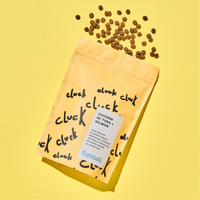
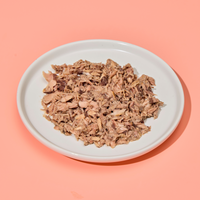
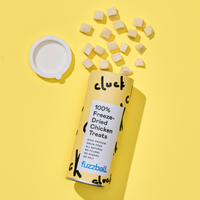
Fuzzball's high-protein wet cat food, dry food and freeze-dried treats are made with this in mind, and you can pause, skip or cancel your subscription whenever you like. If you want a plant-based choice for the litter tray, Fuzzball's tofu cat litter is a gentle option for that, though it is not for the bowl.
Kittens have even less room for error. The best food for cats and kittens is a complete recipe suited to age, and the pack will give guidance on how much to feed your kitten. Most kittens do well with several small meals a day, so a kitten feeding schedule of three or four meals until around six months, then fewer meals, is a common starting point. Your vet can tailor this to your kitten.
Whatever cat food you choose, the aim is the same: a complete, balanced diet that keeps your cat healthy for years.