


The Long-Term Health Effects of a Poor Cat Diet

What your cat eats every day has a real impact on their long-term health. Cats are obligate carnivores, built to get their nutrition from animal protein, and a healthy diet should reflect that.
The most common problem isn't anything dramatic. It's simply a food that's low in real meat and animal protein, padded out with grains and other carbohydrate fillers instead. Plenty of cats are quietly fed this every day, and over time that shortfall takes a toll on their weight, muscle, digestion, skin and coat, and general wellbeing.
And while a nutritionally complete food matters, complete doesn't automatically mean high quality. It only tells you a food provides essential nutrients, not how much meat or protein is in there.
What Is Considered a Poor Diet for Cats?
Cats have high protein needs and rely on nutrients found naturally in meat. Protein supplies the amino acids used all over the body, from muscle to skin and fur.
That's why both protein and meat content matter, and it's where so many everyday foods fall short. A recipe made largely from clearly named meat is a very different thing from a low-meat, low-protein food bulked out with grains and fillers, even though both sit on the same shelf. Vague terms like "meat and animal derivatives" and added sugar are worth watching too, but the real question is how much meat and protein a food actually contains.
A good cat food brings it together: a high percentage of real meat, plenty of animal protein, clearly named ingredients, and complete nutrition, rather than leaning on grains and fillers.
What Are the Most Common Nutritional Deficiencies in Cats?
Cats need more than just "some protein". They need nutrients like taurine, arginine, essential fatty acids, and preformed vitamin A, and too little quality protein can cost them lean muscle over time. So the food needs to supply every essential nutrient, on top of plenty of real meat.

How Does a Poor Diet Affect a Cat's Overall Health?
A Weakened Immune System
Protein, fatty acids, vitamins, and minerals all help keep the immune system working, so consistently poor nutrition can leave your cat less able to fight things off. That said, recurring infections should always be looked at by a vet, as they can have many causes beyond diet.
Poor Digestive Health
Poor-quality or unsuitable food can lead to loose stools, constipation, or other litter-tray changes. Digestible animal protein, the right amount of fat, and good hydration all help keep it on track.
Weight Gain
Weight gain happens when a cat regularly takes in more calories than they burn, but diet quality still matters. A protein-rich diet supports lean muscle, while sensible portions keep the calories in check. A high-meat food like Fuzzball centres your cat's nutrition on the animal protein they're built for.
Kidney and Urinary Health
Cats have a naturally low thirst drive, so a diet that keeps them hydrated matters for their kidneys and urinary tract. Food with good moisture content helps, whereas a dry-only diet can leave some cats short on water. Diet won't be the whole story behind kidney or urinary problems, which grow more common with age and need a vet, but supporting water intake is a sensible habit.
Poor Skin and Coat Condition
Protein matters here more than almost anywhere, since hair is largely made of it, and essential fatty acids help too. A dull, dry, or lacklustre coat can be a sign your cat isn't getting what they need, though persistent changes can also have medical causes.
Dental Problems
It's easy to overstate the link between everyday food and dental disease, so regular checks and dental care matter whatever your cat eats.

What Are the Warning Signs That Your Cat's Diet Is Affecting Their Health?
Keep an eye out for weight gain or loss, reduced muscle condition, ongoing digestive trouble, changes in appetite, low energy, or a poor coat. None of these on its own proves diet is to blame, so anything persistent is worth a vet visit.
How Quickly Can a Poor Diet Start Affecting a Cat's Health?
Some effects come fast: an unsuitable food can cause digestive upset within days, while changes in weight, muscle, or coat build gradually. One important warning, though: cats should never be crash dieted. A cat that suddenly stops eating is at risk of hepatic lipidosis, a serious liver condition, and should always be seen by a vet.
What Are the Long-Term Effects of Obesity Caused by Poor Diet in Cats?
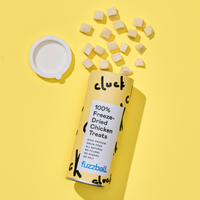
Obesity is about far more than appearance. Overweight cats have a higher risk of diabetes and joint disease, and the extra weight makes moving and grooming harder. It easily becomes a vicious circle: a heavier cat moves less, burns fewer calories, and gains more. Prevention is far easier than the cure: good nutrition, sensible portions and treats, and plenty of daily activity.

Can the Long-Term Health Effects of a Poor Diet Be Reversed?
Caught early, many effects of poor nutrition can improve. A cat can lose excess weight safely and see better digestion, energy, and coat on a more suitable diet. Established medical conditions may not be reversible, though, and can need ongoing veterinary care.
How to Transition a Cat From a Poor Diet to a Healthier One
If you've checked the back of your cat's current food and decided it's time for a change, don't swap it overnight. Introduce the new food over around 7 to 10 days, mixing a little into their usual food and building the proportion up every few days. Picky cats, or those with sensitive stomachs, may need longer.
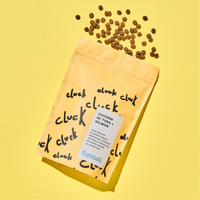
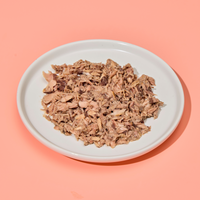
When you're choosing, look past whether the pack simply says "complete". Check the percentage of meat, the protein level, and whether the recipe leans on grains, fillers, or added sugar. Fuzzball's wet food is made from 100% whole meats at 75% protein, and the dry is 70% protein, both free from grains and added sugar and complete for everyday feeding.
Just as a poor diet builds up problems over the years, a good one pays off over the long term. A cat fed plenty of meat and animal protein, alongside the nutrients they need, is set up for steady weight, lean muscle, healthy digestion, and a better coat. Get the bowl right, and you're investing in a longer, healthier, happier life.