

What to Feed a Kitten: A First Time Owner's Guide

Getting a new kitten is a fun and heartwarming experience, but can lead to many questions, one of the most common being ‘what do I feed my new kitten?’ Like humans, kittens need nutrients to help their bones, muscles and organs develop. It’s important to choose the right food for kittens to help them develop good eating habits into adulthood.
What Do Kittens Need to Eat?
Kittens should be given food that is specifically formulated for them. Since kittens are growing and developing, they need a more nutrient dense food when compared to adult cats.
A kitten’s food should have:
Animal protein
Healthy fats
Vitamins and minerals
Adult food should be given to your kitten once they are no longer developing and growing. If you are unsure when to make the switch from kitten food to adult food, your vet can help decide when the right time is to change your kitten’s food.
Wet Food vs Dry Food For Kittens
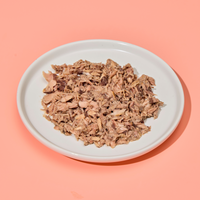
Both types of food have their place in a kitten’s diet. Wet food has a much higher water content and helps contribute to your kitten’s hydration, in addition to being soft and easy for kittens to chew. It is great for kittens while they are being weaned from their mother and extra helpful for picky eaters. Dry food offers a convenient feeding option and can be left out for short periods if recommended for your kitten's feeding routine. Many owners feed a combination of dry and wet food to help keep their kitten’s diet balanced and to include wet food for variety.
Foods You Should Never Feed Your Kitten
There are some foods that kittens should never get their paws on, including chocolate, onion or garlic, grapes and cooked bones:
|
Food |
Why It's Unsafe |
|
Chocolate |
Contains theobromine and caffeine, which are toxic to cats and can affect the heart and nervous system. |
|
Onions and Garlic |
Can damage red blood cells and may lead to anaemia, even in small amounts. |
|
Grapes and Raisins |
May cause serious kidney problems in some cats, although the exact cause is unknown. |
|
Alcohol |
Even small quantities can cause severe poisoning, affecting the brain, liver and nervous system. |
|
Caffeinated Drinks |
Coffee, tea, energy drinks and other caffeinated products can be toxic and cause rapid heart rate, tremors, or seizures. |
|
Cooked Bones |
Can splinter easily, creating a choking hazard or causing injuries to the digestive tract. |
|
Foods Containing Xylitol |
This artificial sweetener can be highly toxic to pets and should always be avoided. |
If you think your kitten has eaten any of these foods or another potentially harmful substance, contact your local veterinarian or an emergency veterinary clinic immediately for advice.
Can Kittens Drink Milk?
While many people believe it’s okay to give kittens milk, the reality is most kittens and cats quickly become lactose intolerant and can’t digest cow’s milk after weaning. If your kitten drinks cows milk, they may get a tummy ache and diarrhoea. For very young, orphaned kittens, the only thing you should give is a veterinarian approved, kitten milk replacer. For any concerns about your kitten’s hydration or diet, contact your local veterinarian.

How to Choose the Right Food for Your Kitten
When comparing commercially available kitten food, select those with quality animal ingredients that do not contain unnecessary fillers and that do not have added sugar. Read ingredient lists to make sure your kitten food has balanced and quality nutrition. If you’re thinking of switching cat food brands, keep in mind that frequent changes in diet can upset a kitten's digestive system, so any new food should be introduced gradually over several days.
Why Choose Fuzzball Cat Food For Your Kitten?
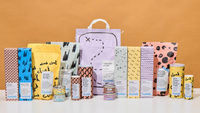
With 100% whole meats, Fuzzball has created complete recipes and allows you to put your trust in quality nutrition for kittens and cats, without any fillers and unnecessary ingredients:
Custom meal plans for your cat.
No fillers, sugars, or grains.
Recipes make nutrition easy.
Easy subscriptions- pause, edit and cancel anytime.
No more confusing grocery store cat food labels.
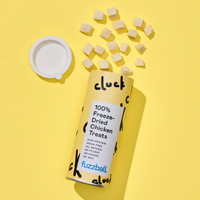
All your cat's food and treats in one place.
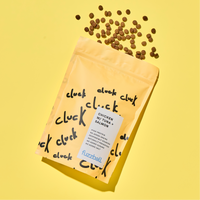
Fuzzball’s kitten dry food recipe uses salmon and sweet potato and is specially designed for growing kittens.
How Often Should You Feed a Kitten?
Because of their tiny stomachs, young kittens must eat several small meals a day. As kittens grow, it is appropriate to put them on a schedule of larger, less frequent meals. Factors that contribute to an appropriate feeding schedule include age, weight, activity level, breed and health. An initial guideline can be found on packaging of commercially available kitten food. Additionally and most importantly, your veterinarian will be able to provide a personalised feeding schedule for your kitten and evaluate them regularly to check their growth and health.