


Is Free Feeding Right for Your British Shorthair?

British Shorthairs are famously calm, cuddly, and, let’s face it, quite food motivated. Their laid-back personality and big round faces can make it tempting to simply leave food out all day and let them help themselves. This approach is known as free feeding, and while it can seem convenient, it is not always the best choice for every British Shorthair cat.
In this guide, we will explore what free feeding really means, how it affects British Shorthair cats specifically, and how to find the right balance to keep your cat healthy, happy and at a comfortable weight.
What Is Free Feeding?
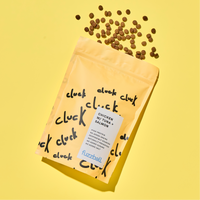
Free feeding is a feeding method where food is left out all day, allowing your cat to eat whenever they choose rather than at set mealtimes. This approach is most commonly associated with dry food, but some owners also attempt it with wet food, which comes with additional challenges around freshness and food safety.
The Pros and Cons of Free Feeding
The Pros of Free Feeding
For some households, free feeding can feel like the easiest option. It removes the need to stick to strict schedules and can work well for cats that naturally self-regulate their intake. Free feeding may suit very active cats or those that prefer to graze throughout the day rather than eat larger meals at once.
The Cons of Free Feeding for British Shorthairs
Here is the thing about British Shorthair cats. They are not known for their restraint when it comes to food. This breed has a slower metabolism and a naturally stocky build, which means excess calories can quickly turn into weight gain. Free feeding also makes it harder to monitor exactly how much your cat is eating. Over time, this increases the risk of overeating without the owner realising. Weight gain in British Shorthair cats can lead to joint strain, reduced mobility and a higher risk of long-term health issues.
The British Shorthair’s Unique Relationship with Food
The British Shorthair cat breed is naturally calm and tends to be less active than more athletic breeds. While this relaxed nature is part of their charm, it also means many British Shorthairs burn fewer calories day to day. British Shorthair cats are also often highly food motivated. Many owners notice that their cat will continue eating simply because food is available, not because they are hungry. When this is combined with a more sedentary lifestyle, free feeding becomes a risky option for many British Shorthair cats.

Monitoring Your Cat’s Weight and Health
If you choose any form of free feeding, close monitoring is essential. Signs that your British Shorthair may be gaining too much weight include reduced activity, difficulty grooming, reluctance to jump, and a loss of visible waistline. A healthy British Shorthair cat should have a solid but defined body shape, not a round or sagging belly. Portion-controlled feeding makes it much easier to spot changes early and adjust food intake before weight becomes an issue. This is where services like Fuzzball can help by calculating your British Shorthair’s daily calorie needs based on age, weight and activity level, taking the guesswork out of portion sizes.
Common Mistakes to Avoid with Free Feeding
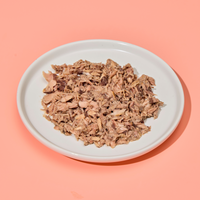
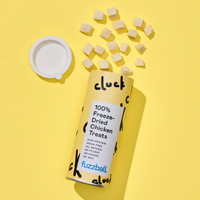
One common mistake is assuming all cats will self regulate their food intake. While some breeds manage this well, many British Shorthair cats struggle with the concept entirely. Another issue is mixing free feeding with frequent treats throughout the day, which quickly adds excess calories without owners realising. Leaving wet food out for long periods can also be problematic, as it dries out, loses its aroma and can become unsafe.
Creating a Feeding Routine That Works
For most British Shorthair cats, scheduled meals are a better option than free feeding. Setting feeding times help regulate appetite, allow you to measure portions accurately and makes changes quickly if weight starts to creep up. Some owners find a hybrid approach works best, offering measured meals at set times alongside small, controlled snacks or enrichment feeding.
Finding the Right Balance for Your British Shorthair
Ultimately, the best feeding method is one that supports your British Shorthair’s health while fitting into your lifestyle. Free feeding may work for a small number of cats, but for this breed, structure and portion control usually lead to better long-term outcomes. By understanding your British Shorthair’s natural tendencies and nutritional needs, you can make informed choices that keep them happy, healthy and comfortably cuddly for years to come.