


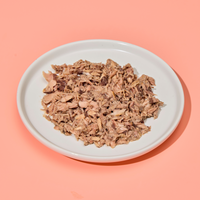


How to Warm Up Wet Cat Food Safely

You open the fridge, scoop out your cat’s leftover wet food and put it down in their bowl, only for them to sniff it and walk away. Sound familiar? Some cats simply find chilled food less appealing, and gently warming it can bring out the smell and make their meal much more tempting.
How to Warm Up Wet Cat Food Safely
Wet cat food does not need to be hot before serving. The goal is simply to take away the chill and bring it closer to room temperature or slightly warm, while making sure there are no hot spots that could burn your cat’s mouth.
There are several easy ways to do this. Adding warm water or using a warm water bath gives you more control over the temperature, while a microwave can also be used carefully.
Why Do Some Cats Prefer Warm Wet Food?
Cats rely heavily on their sense of smell when deciding whether food is appealing. Cold food tends to release less aroma, which can make a meal straight from the fridge less interesting to some cats.
Gently warming wet food can strengthen its smell and may encourage a reluctant or picky cat to eat. However, every cat is different, so there is no need to warm food if yours happily eats it chilled.

What Is the Safest Way to Warm Wet Cat Food?
One of the simplest methods is to place the wet food in a suitable bowl and sit that bowl inside a larger container of warm water. Leave it for a few minutes and stir the food occasionally so it warms evenly.
This method provides gentle heat without exposing the food to very high temperatures. Before serving, stir it thoroughly and check that it feels comfortable rather than hot.
Can You Add Warm Water to Wet Cat Food?
Yes. Adding a small amount of warm water directly to wet cat food is another quick way to remove the chill, particularly when you do not have time to wait for a water bath.
Mix the water thoroughly through the food so the temperature is consistent throughout the bowl. This also adds a little extra moisture to the meal, which can contribute to your cat’s overall water intake.
Can You Microwave Wet Cat Food?
Wet cat food can be warmed in a microwave, but extra care is necessary because microwaves do not always heat food evenly. Small areas can become much hotter than the rest of the meal, even when the food initially appears to be only slightly warm.
Transfer the food from its packaging into a microwave-safe dish and heat it only very briefly. Stir it thoroughly afterwards and allow it to stand before checking the temperature. Never place a metal cat food can in the microwave.

How Do You Know If Wet Cat Food Is Too Hot?
You should always check warmed food before giving it to your cat. Stirring is important because the surface may feel cool while a hotter section remains underneath.
Touch a small amount with a clean finger before serving. It should feel lukewarm or only slightly warm rather than hot. If you are unsure, allowing the food to cool for a little longer is the safer option.
Can You Simply Leave Wet Food Out to Warm Up?
Taking refrigerated wet cat food out shortly before mealtime can allow it to lose some of its chill naturally. However, wet cat food is perishable and should not be left sitting at room temperature for extended periods.
Only take out the amount your cat is likely to eat and return unused refrigerated food to appropriate storage. If food has been sitting out for too long or appears spoiled, it is safer to throw it away.

Making Wet Food More Appealing
Warming wet cat food can be a useful trick for cats that turn their noses up at chilled meals. A warm water bath or a small amount of warm water is particularly easy, while microwaving requires a little more attention to avoid hot spots.
Most importantly, the food should never be served hot. Give it a good stir, check the temperature, and then let your cat decide whether their newly warmed dinner passes the all-important sniff test.