


How to Keep Your Siberian's Coat Soft and Shiny

Siberian Cats are a great breed for people who love long-haired cats but want a lower-maintenance option. Siberians are beautiful, and the triple-layered coat is tough enough to withstand cold, Russian winters. The coat is also water-resistant and self-cleaning. Of course, 'low maintenance' does not mean 'no maintenance,' and without proper nutrition, the coat can lose its shine, become dry and even begin to shed more than normal.
Why the Siberian Coat is So Special
Most longhaired cats need their coats managed carefully to prevent matting. Siberian cats are actually different and just like their coats, they are unique. Siberian cats also have a natural coat and oil distribution, which also helps with preventing the tangling that is so common with a long-haired breed like the Persian. Their coats also change seasonally. Twice a year, the Siberian coat will shed more than normal, but will return to its full, flowing state over the off-season.
Because of the seasonal shedding, the coat of a healthy Siberian cat should feel silky, slightly water-resistant and have a natural shine. The coat should not require a lot of maintenance to look its best! If the coat does become dull, dry, or begins to shed more than normal, that is a good indicator to look at their diet.

The Key Nutrients for a Shiny Coat For Siberian Cats
Approximately 92-95% of fur is constructed of keratin, a protein. Every single strand of fur, from the fine inner undercoat to the long outer guard hairs, is built from amino acids that must come from the diet. Without sufficient high-quality animal protein, the body cannot support the maintenance of the hair growth cycle. If your Siberian cat is not receiving a high-protein diet, it’s possible that their coat quality will deteriorate, shedding will increase, and the regrowth of fur will become thinner and duller.
Remember: Animal Proteins For Cats
Animal protein is a must, so do not offer plant proteins like peas or soy that do not provide the necessary and real proteins that a cat needs. Meat sources give the amino acids needed to help offer a layer for the coat.
Cats Should Have Omega Fatty Acids Intake
If we think of fur as a building, then protein is the frame and fatty acids are the finishing. Omega 3 and 6 fatty acids are incorporated directly into the skin cells, where they help in regulating oil production, help in the formation of the skin barrier and give every hair its sheen. The optimal ratio of omega-6 to omega-3 for cats is 5:1 to 10:1 and when that is achieved, the results really do show.
Oily fish are a good source of dietary EPA and DHA and omega-3 fatty acids. For Siberians, their natural high levels of activity and their muscular build mean they have a good tolerance for fish diets that are higher in omega-3s and give the necessary protein that the cats need.
Importance of Hydration
Skin health is impacted by the hydration of the skin, and the hydration of the skin is impacted by the total amount of water that is consumed. Cats are desert animals and evolved to get most of their hydration from food, not from a water bowl. This is important to know because if your cat eats primarily dry food, you should monitor their water intake to ensure they’re not suffering from dehydration.

Taurine in Your Cat’s Diet
Taurine is an amino acid found exclusively in animal tissue and unlike most mammals, cats cannot synthesise it in sufficient quantities on their own. It must come from their food every day. Taurine is most commonly discussed in the context of heart health, but it also plays a role in skin cell function and coat maintenance. A diet that relies on plant-based proteins or heavily processed ingredients is likely to be taurine-deficient, with effects that accumulate quietly over time. Whole meat-based diets naturally contain adequate taurine without supplementation.
Fuzzball for Siberians: The Right Nutrition
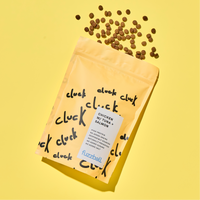
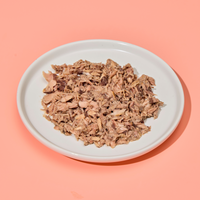
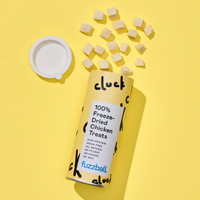
At Fuzzball, everything is built around what cats are actually designed to eat: whole animal proteins, natural fats and nothing that doesn't earn its place in the bowl. For a Siberian whose coat quality is directly linked to the nutritional quality of their food, that matters more than it might for many other breeds.
- 100% Whole Meats: Real, named animal protein in every recipe, never by-products or unspecified meals.
- No Sugars, Grains, or Fillers: Nothing that doesn't contribute to your cat's health
- Nutritionally Complete: Every essential nutrient built in from whole food sources, including taurine, omega fatty acids and the vitamins that support skin and coat health.
- Personalised Meal Plans: Tailored to your Siberian's age, size and life stage.
- Delivered to Your Door: Fresh, on a schedule that works for you.