




How to Create a Calm Feeding Environment for Anxious Cats

Feeding time is one of the best (and sometimes most confusing) parts of having a cat. Let's talk about it. When cats hear the sound of kibble hitting the bowl, it's like a personal siren call. But if your cat is anxious, shy or prone to stress, mealtime can be stressful for them or even worse, they might not eat enough or gulp down their food too quickly.
It's a big deal if a cat feels scared or unsafe while eating. When they have their heads down in a bowl, they can feel like being vulnerable is dangerous. This constant low-level anxiety about food can cause problems with digestion, make them not want to eat or even trigger a ‘guard your resource’ response.
The good news is that making a few small, thoughtful changes can make your cat's feeding area a real Zen zone instead of a place to worry. We're going to talk about some practical, cat-approved ways to help your anxious eater relax and enjoy their meal.

Three Tips for Creating a Calm Feeding Environment:
Creating a stress-free mealtime boils down to three core principles: Location, Logistics and Litter. Get these right, and you’re most of the way there!
Location, Location, Location!
If your cat were in the wild (or just really smart), where would they naturally choose to eat? They wouldn't choose the middle of the kitchen, where people walk by all the time or next to a loud appliance.
- Go High or Go Hidden: Cats that are scared feel much safer when they don't feel trapped and can see what's going on around them. Think about giving them food on a cat tree perch, a strong shelf or even a quiet, out-of-the-way corner of a room. This lets them see "predators" and makes them feel like they are in charge.
- The Quiet Zone: Is the area where you feed the pets close to the washing machine? The television? A door that always squeaks? A lot of noise is stressful. Put the food in the room in your house that gets the least traffic and is the quietest.
- The View is Everything: If you can, put the bowl where your cat can see the entrance to the room or a main door without having to turn their back to it; your furry friend shouldn't have to turn their head to know who's coming.
The Logistics of Comfort:
After you've found the perfect place, it's time to look at the little things, like the bowls, the spacing and the whole setup.
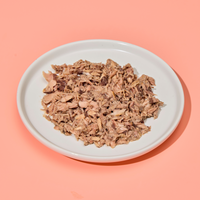
- Don't Use Deep Bowls: For a lot of cats, this is a game-changer. Cats' whiskers are extremely sensitive. When they keep brushing against the sides of a deep, narrow bowl, they get what is known as "whisker fatigue." This hurts a little and is distracting. Change to a shallower/wider bowl to prevent their whiskers coming into contact with the sides of the bowl/
- Elevation is Joy: Some cats, especially older ones or those with joint problems, don't like it when they have to bend down to the floor to eat. An elevated dish stand can make eating more comfortable for your cat.
- Stop using the shared bowl: This is true for homes with more than one cat. Competition is the thing that makes your cat anxious. Cats think that if they are eating from the same bowl, they need to eat quickly so that the other cat doesn't get it first. You need to put at least one bowl for each cat. The bowls should also be far enough apart that one cat can't see the other while they eat.
Separation from the "Litter" Box
You might think this is obvious, but you might be surprised! Would you like to eat dinner next to the bathroom? Nope. Your cat is just like that. Having the litter box (and the smells that come with it) close to the food dish is a big source of stress for your cat and can result in them not wanting to eat.
- The 6-Foot Rule (at least!): The food and water bowls should be at least 6 feet away from the litter box.
- Different Rooms are Best: If you can, put the food in one room and the litter box in another.

Sensory Secrets: The Calming Extras
You can also use your cat's senses to let them know they are safe and calm, in addition to the physical setup.
- Pheromones: You might want to plug in a feline calming pheromone diffuser, like Feliway, near the feeding area. These smell like the pheromones that cats naturally use to mark a place as safe and secure.
- Routine, Routine, Routine: Cats do well when things are predictable. Every day at the same time, give your nervous cat food. This steady schedule lets them know that "The world is stable and food will always be there." This really helps with anxiety.
- Get Rid of the Audience: This is a tough one, but once you've set the food down, try to leave the room. When you stand over a nervous cat, they may feel like they're being watched, vulnerable and pushed to eat faster. Let them be alone!
Quick-Fix Strategies for Immediate Calm
|
Anxiety Trigger |
Solution/Change to Implement |
Why it Works for Anxious Cats |
|
Whisker Fatigue |
Use a shallow, wide bowl (like a saucer or plate). |
Eliminates distracting and uncomfortable pressure on their sensitive whiskers. |
|
Traffic/Noise |
Move the bowl to a quiet corner or on an elevated perch/cat tree. |
Provides a sense of security, retreat and a good vantage point. |
|
Competition |
Feed each cat in a different room or in spots where they cannot see each other. |
Removes the pressure to eat quickly and prevents resource guarding stress. |
|
Vulnerability |
Ensure the bowl is positioned so the cat is not eating with their back to a doorway. |
Allows them to monitor their environment while eating without having to stop and turn around. |
|
Messy Food/Stale Food |
Clean the bowl before every meal. Only give them a small amount at a time. |
Cats are extremely neat and scent-driven. A clean bowl ensures the freshest, most appealing scent. |
Your commitment to making this peaceful, safe space around their food bowl will strengthen your bond and let your sweet kitty relax and eat without worrying about anything else.