


How to Choose Wet Cat Food for Cats with Food Allergies

When your cat has a food allergy, mealtimes can quickly become stressful. You might notice symptoms like itchy skin, stomach upset, or frequent vomiting, and suddenly choosing the right food feels overwhelming. Many pet parents feel unsure about what ingredients are safe and which ones could make symptoms worse.
The good news is that the right wet cat food can make a huge difference to your cat’s comfort, health, and happiness. With the right ingredients and careful selection, you can help support your cat’s wellbeing while still giving them meals they genuinely enjoy.
What Causes Food Allergies in Cats?
Food allergies happen when your cat’s immune system reacts to certain ingredients as if they are harmful. Instead of digesting the food normally, the body creates an inflammatory response. This can show up as skin irritation, digestive problems, or changes in behaviour.
Cats can react to proteins as well as grains, artificial additives or preservatives. Each cat is different, which is why identifying the exact trigger can take time.
Sometimes allergies develop slowly. A cat may eat the same food for years and then suddenly develop symptoms. This can be confusing for owners, but it is actually quite common. Once the trigger ingredient is removed, many cats show noticeable improvement.
Why Wet Cat Food Is Often Better for Cats With Allergies
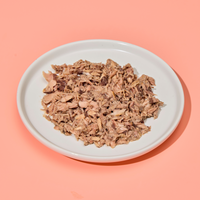
Wet food is often easier to digest and typically contains fewer unnecessary ingredients than some dry foods. This makes it easier to control exactly what your cat is eating. Simpler recipes mean fewer chances of hidden allergens.
Wet food also supports hydration. Many cats do not naturally drink enough water, especially indoor cats. The moisture content in wet food helps support kidney health, urinary health, and digestive comfort. When a cat is dealing with allergies, good hydration can support overall recovery and well-being.
Because wet food formulas are often simpler and more focused, they can help pet parents monitor how their cat reacts to specific ingredients.

How to Choose Wet Cat Food for Cats with Food Allergies
Wet cat food is often a great option for cats with allergies because it usually contains fewer fillers and offers better hydration. With the right ingredients and careful selection, you can help your feline feel better while still giving them meals they genuinely enjoy.
Many cats also find wet food more appetising, which can help if allergies have made your cat reluctant to eat.
Key Things to Look For in Wet Cat Food for Allergies
|
Feature |
Why It Matters |
What To Look For |
|
Single Protein Source |
Helps identify and avoid allergy triggers |
Chicken, turkey, duck, or salmon are clearly listed |
|
Limited Ingredients |
Reduces risk of hidden allergens |
Short, simple ingredient lists |
|
No Artificial Additives |
Reduces risk of sensitivity reactions |
No artificial colours, flavours, or preservatives |
|
High Moisture Content |
Supports hydration and digestion |
Wet food with high moisture levels |
|
Clearly Named Ingredients |
Helps monitor reactions |
Avoid vague “meat derivatives” or “animal by-products” |
Why Limited Ingredient Recipes Are Often Recommended
If your cat has food sensitivities, limited-ingredient wet food is usually a good place to start. These recipes are designed using a small number of high-quality ingredients. Many focus on a single protein source combined with simple and digestible nutrients.
With fewer ingredients, it becomes much easier to identify potential triggers and keep your cat’s diet consistent. Consistency is extremely important when managing food allergies. Even small ingredient changes can cause flare-ups in sensitive cats.
Limited-ingredient diets can also help reduce stress on the digestive system. Many cats with sensitivities benefit from simpler, cleaner nutrition that focuses on essential nutrients without unnecessary extras.
Why Protein Quality Matters So Much
Cats are obligate carnivores, which means they rely heavily on animal protein for survival and overall health. When choosing wet food for allergic cats, look for clearly named meat sources such as chicken, turkey, salmon, or duck listed as the first ingredient.
Avoid foods that list vague ingredients like meat by-products or animal derivatives. These can make it difficult to identify exactly what your cat is eating and can make allergy management harder.
Fuzzball recipes focus on real, identifiable proteins combined with essential nutrients. This helps support muscle health, immune function, and overall energy levels while keeping ingredient lists simple and purposeful. You can get their cat food subscription box to make things easier.
Why Avoiding Artificial Additives Can Help Sensitive Cats
Some cats react poorly to artificial colours, preservatives, and flavour enhancers. While not every cat is sensitive to these ingredients, avoiding them can reduce the risk of triggering reactions in sensitive cats.
Simple ingredient lists are usually easier on sensitive stomachs. They also make it easier for pet parents and veterinarians to identify possible triggers if symptoms appear. Clean nutrition is often one of the most effective ways to support long-term digestive and skin health.

How to Safely Transition Your Cat to New Wet Food
Switching foods too quickly can upset your cat’s stomach, even if the new food is healthier. A slow transition is always recommended.
Start by mixing a small amount of the new food with your cat’s current food. Over about seven to ten days, gradually increase the amount of new food while reducing the old food. This helps your cat adjust comfortably and reduces the risk of digestive upset.
Patience during this stage is important. Some cats need extra time to adjust to new textures or flavours.
Finding the Right Food for Your Sensitive Cat
Choosing wet cat food for a cat with allergies is really about simplicity and quality. Fewer high-quality ingredients give you better control over what your cat is eating and how their body responds to it.
With the right wet food, many cats with sensitivities can live comfortably, maintain healthy digestion, and still enjoy every meal. Finding that balance is one of the best ways to support your cat’s long-term wellbeing and keep your fuzzball feeling their best every day.