



How to Build a Balanced Diet for Your Cat

A healthy diet is one of the most important gifts you can give your cat. The right balance of nutrients supports everything from muscle development and digestion to a shiny coat and a strong immune system. Knowing what makes a balanced diet can help your feline friend stay healthier and happier for years to come.
What Makes a Balanced Diet for Cats?
Cats are obligate carnivores, which means they rely on nutrients found in animal-based proteins to meet their nutritional needs. Unlike people or dogs, cats require higher levels of protein and specific amino acids that can only be obtained from meat. A balanced diet should also include healthy fats, vitamins, minerals, fibre, and access to fresh drinking water every day.
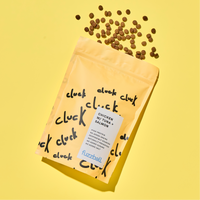
The easiest way to provide this balance is by choosing a complete and balanced commercial cat food that is formulated for your cat's age and nutritional requirements.
|
Nutrient |
Why It's Important |
|
Animal Protein |
Supports muscle development, healthy organs, and overall body function. |
|
Healthy Fats |
Provide energy while supporting healthy skin, brain function, and a shiny coat. |
|
Vitamins & Minerals |
Help maintain the immune system, bones, vision, and overall health. |
|
Fibre |
Supports healthy digestion and may help reduce hairballs in some cats. |
|
Water |
Keeps your cat hydrated and supports kidney, urinary, and digestive health. |

Choose High-Quality Protein First
Protein should always be the foundation of your cat's diet. It provides the essential building blocks needed for healthy muscles, organs, skin, and tissue repair.
When choosing cat food, take a quick look at the ingredient list. Foods that list chicken, turkey, fish, or other animal proteins near the top generally provide a better source of the nutrients cats naturally require. Choosing high-quality protein also helps your cat maintain a healthy body condition and energy levels.
Include Healthy Fats and Essential Nutrients
Healthy fats are another important part of a balanced diet. They supply energy, support healthy brain function, and contribute to healthy skin and a glossy coat.
A complete cat food also contains the vitamins, minerals, amino acids, and fatty acids your cat needs every day. Because these nutrients are carefully balanced, most healthy cats do not require additional supplements unless specifically recommended by a veterinarian.
Don't Overlook Hydration
Many cat owners focus on food but forget that hydration is equally important. Cats naturally have a low thirst drive, which means they may not always drink enough water on their own.
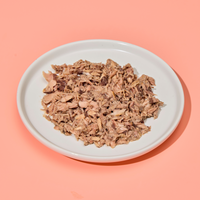
Including wet food as part of your cat's diet can help increase their daily water intake while still providing complete nutrition. Whether your cat eats dry food, wet food, or a combination of both, they should always have access to fresh, clean water throughout the day.
Feed According to Your Cat's Life Stage
A kitten has very different nutritional needs from an adult or senior cat. Feeding food that matches your cat's age ensures they receive the right balance of nutrients throughout each stage of life.
Kittens need extra calories and protein to support healthy growth, while adult cats require balanced nutrition to maintain their weight and overall well-being. Senior cats may benefit from specially formulated diets that support healthy joints, digestion, or kidney function as they age.
Treats Should Be Given in Moderation
Treats can be a fun way to reward your cat, but they should never replace a balanced diet. Too many treats can quickly add unnecessary calories and may lead to weight gain over time.
As a general guideline, treats should only make up a small portion of your cat's daily food intake. Choosing nutritious treats and offering them occasionally allows your cat to enjoy a reward without affecting their overall health.
Monitor Your Cat's Weight and Overall Health
Even if you're feeding a high-quality diet, it's still important to keep an eye on your cat's weight and overall condition. Every cat is different, and factors such as age, activity level, and health can influence how much food they need.
If you notice unexpected weight gain, weight loss, changes in appetite, or lower energy levels, it may be time to review your diet. Small adjustments made early can often help prevent more serious health issues later on.

Give Your Cat the Best Nutritional Start
Building a balanced diet for your cat doesn't have to be complicated. By choosing a complete, high-quality food that provides plenty of animal protein, healthy fats, essential nutrients, and adequate hydration, you can support your cat's health every single day.
Combined with appropriate portion sizes, fresh water, and regular health checks, a balanced diet lays the foundation for a long, active, and happy life.