



How Do You Balance Wet and Dry Food in Your Cat's Diet?

Many cat owners choose between wet food and dry food, but some prefer to feed a combination of both. A mixed feeding routine can offer variety, support hydration, and make mealtimes more enjoyable for some cats. The key is finding the right balance so your cat receives complete nutrition without being overfed.
How Do You Balance Wet and Dry Food in Your Cat's Diet?
Wet and dry food can both be part of a healthy cat diet when fed correctly. Each option has different benefits, and combining them may suit cats that enjoy variety in flavour and texture.
The most important factor is that your cat’s total daily food intake matches their age, size, activity level, and body condition. Feeding both types does not mean doubling portions. It means dividing the daily amount between wet and dry meals.
What Are the Benefits of Wet Cat Food?
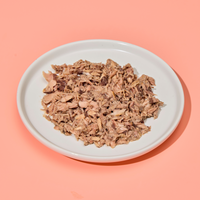
Wet cat food contains a high moisture content, which can help cats increase their daily water intake. This can be useful for cats that do not drink much water on their own. Wet food is also often highly appealing because of its aroma and softer texture.
Benefits of wet food may include:
Softer texture for easier chewing
Strong smell and flavour appeal
Useful for portion-controlled meals

What Are the Benefits of Dry Cat Food?
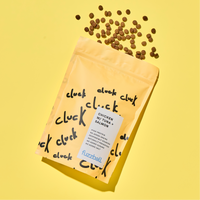
Dry cat food is convenient, easy to store, and simple to measure into portions. It can also stay fresh longer once served than wet food. Some cats enjoy the crunchy texture, and dry food can work well in feeding puzzles or slow feeders.
Benefits of dry food may include:
Easy storage and serving
Convenient portion measurement
Crunchy texture many cats enjoy
Suitable for enrichment feeders
Why Feed a Mix of Wet and Dry Food?
Some owners choose a mixed feeding routine to combine the benefits of both food types. Wet food can help with hydration, while dry food may add convenience and texture variety.
A mixed diet can also help cats become comfortable with different textures and flavours, which may be useful if you ever need to make dietary changes later.
How Much Wet and Dry Food Should You Feed Your Cat?
The correct balance depends on the calorie content of the foods you use. Wet and dry foods have different calorie densities, so portions should be based on feeding guidelines and your cat’s needs.
A simple approach is to choose how much of the daily intake will come from wet food and how much from dry food, then adjust both portions accordingly.
|
Goal for Your Cat |
Wet Food Can Help By |
Dry Food Can Help By |
|
Increase hydration |
Providing extra moisture with meals |
Can be paired with fresh water intake |
|
Add variety |
Offering different flavours and soft textures |
Adding crunchy texture and variety |
|
Served at set meal times |
Easy to measure and leave out for short periods |
|
|
Portion control |
Single-serve meals can be easier to track |
Easy to weigh or measure accurately |
|
Weight management |
Helps create filling meals with moisture |
Useful when carefully portioned |
Should Wet and Dry Food Be Served Together?
Wet and dry food can be served on the same day either separately or at different meal times. Many owners feed wet food at breakfast or dinner and offer dry food later in the day. Others keep meals separate to better monitor intake. Serving them separately can make it easier to see what your cat prefers and how much they are eating. It can also help wet food stay fresher.
How Do You Transition to a Mixed Diet?
Cats can be sensitive to sudden food changes, so it is usually best to introduce new food gradually. Start by adding a small amount of wet food while slightly reducing dry food. Increase the new portion slowly over seven to ten days.
Helpful transition tips include:
Introduce one new food at a time
Keep feeding times consistent
Serve wet food at room temperature
Use clean bowls daily
Be patient with fussy eaters
Some cats accept new food quickly, while others need more time.
Can Mixed Feeding Cause Weight Gain?
It can if portions are not adjusted. A common mistake is adding wet food while continuing the same amount of dry food as before. This increases daily calories and may lead to weight gain over time.
To avoid this, treat wet and dry food as part of one daily allowance rather than separate extras. Monitoring body condition and weighing your cat regularly can help you make small adjustments when needed.
What If Your Cat Prefers Only One Type?
Some cats strongly prefer wet or dry food. This is common and often relates to texture, smell, or routine. If your cat eats only one complete and balanced food happily, that can still meet their nutritional needs.
If you would like to introduce the other type, do so slowly and without pressure. Offering different textures occasionally can help build flexibility over time.
Final Thoughts on Balancing Wet and Dry Food
Balancing wet and dry food can be a practical way to support hydration, variety, and nutrition. The best routine depends on your cat’s preferences and daily calorie needs.
By measuring portions carefully, introducing changes gradually, and monitoring body condition, you can create a feeding routine that works well for your cat.