



Feeding a Senior Cat: How Nutritional Needs Change With Age

As cats grow older, their nutritional needs often begin to shift. A senior cat may become less active, spend more time resting, or show changes in appetite. Some older cats gain weight more easily, while others may lose weight due to reduced interest in food. Understanding these changes can help you adjust their diet and routine to keep them comfortable and well-nourished.
Feeding a Senior Cat: How Nutritional Needs Change With Age
Cats are often considered senior from around seven to ten years old. During this stage of life, metabolism, digestion, mobility, and dental health may all begin to change. Feeding the same way you did during their younger years may no longer suit their needs. Older cats still need a complete and balanced diet, but their portion size, food texture, and nutritional needs may need to change over time.
What Nutritional Changes Happen as Cats Age?
Senior cats may experience physical changes that affect feeding needs. These can include lower activity levels, a slower metabolism, reduced muscle mass, and changes in taste or smell. Some older cats may also become more selective about food.
Because of these changes, many senior cats benefit from food designed for older life stages. Senior formulas often have adjusted calorie levels, balanced nutrients, and textures that may be easier to chew or digest.
Common nutritional priorities for senior cats include:
Maintaining a healthy body weight
Supporting muscle condition with quality protein
Providing easy-to-digest food
Supporting joints and mobility
Keeping meals appealing and easy to eat

How Much Should You Feed a Senior Cat?
There is no single portion that suits every cat. Age, weight, activity level, health status, and whether your cat eats wet food, dry food, or both all play a role. Feeding guidelines on packaging can be useful starting points, but they may need adjusting.
Use your cat’s body condition as a guide. If they are gaining weight, portions may need to be reduced. If they are becoming thinner, they may need more calories or a health check.
|
Senior Cat Size |
General Feeding Focus |
What to Monitor |
|
Small frame |
Feed complete meals in suitable portions to maintain weight without overfeeding. |
Sudden weight loss or reduced appetite. |
|
Medium frame |
Provide balanced portions based on age, activity level, and body condition. |
Weight is staying stable over time. |
|
Large frame |
Use measured portions, especially if activity has decreased with age. |
Extra pressure on joints or steady weight gain. |
|
Underweight senior |
Offer smaller, more frequent meals that are easy to eat and calorie-supportive. |
Poor appetite, muscle loss, or ongoing weight loss. |
|
Overweight senior |
Feed controlled portions with a consistent routine and avoid excess treats. |
Slow, steady weight reduction and energy levels. |
Is Protein Important for Older Cats?
Yes, protein remains very important for senior cats. Cats are obligate carnivores, meaning they rely on animal-based protein as a key part of their diet. As they age, maintaining muscle mass becomes especially important.
Good quality protein can help support strength and body condition. Rather than assuming older cats need less protein, it is usually more helpful to focus on digestible, complete nutrition suited to their age and health needs.
Should Senior Cats Eat Wet or Dry Food?
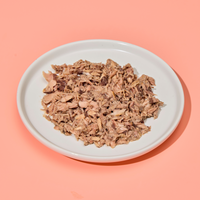
Both wet and dry food can work well, and many owners choose a mix of the two. Wet food may help increase water intake, which can be useful for cats that do not drink much. It can also be easier to chew for cats with dental sensitivity.
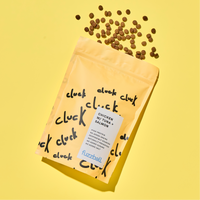
Dry food can be convenient for measured portions and grazing cats, provided freshness is maintained. Some cats prefer one texture over another, while others enjoy variety.
A combination approach may offer benefits such as:
Added moisture from wet food
Convenient portion control with dry food
Variety in flavour and texture
Easier adjustment for appetite changes
Why Is Hydration Important for Senior Cats?
Hydration becomes increasingly important as cats age. Some older cats drink less water, while others may need extra support staying hydrated. Dehydration can affect comfort, appetite, and overall wellbeing.
You can encourage hydration by:
Providing fresh water daily
Using wide ceramic or metal bowls
Offering water in multiple locations
Including wet food in the diet
Keeping bowls away from litter trays
Some cats also prefer moving water, so a pet fountain may help if your cat enjoys it.
How Can You Help a Senior Cat With a Poor Appetite?
Reduced appetite can happen in older cats for many reasons. Changes in smell and taste may make food less appealing, while dental discomfort or illness can also play a role.
To encourage eating, you can try:
Serving food at room temperature
Offering smaller meals more often
Trying softer textures
Keeping feeding areas quiet and calm
Using clean bowls each meal
Should Feeding Routines Change With Age?
Senior cats often benefit from consistency. Feeding meals at the same time each day in a calm location can reduce stress. Some older cats prefer several smaller meals rather than one or two large meals.
If you live in a multi-cat household, ensure your senior cat can eat without competition from younger pets. Separate feeding spaces may help nervous or slower eaters feel more comfortable.
Final Thoughts on Feeding a Senior Cat
As cats age, their diet may need to change to match their body and lifestyle. Some seniors need fewer calories, while others need help maintaining weight and muscle. Texture, hydration, meal frequency, and appetite can all become more important over time. By monitoring your cat’s condition, keeping routines consistent, and adjusting meals when needed, you can help support a healthy and comfortable senior stage of life.