



Can Dry Cat Food Help with Bad Breath and Gum Health?

As a cat owner, you've probably noticed your feline friend's breath isn't always the freshest. While it's easy to dismiss bad breath as just a normal part of having a cat, it could actually be a sign of underlying dental issues.
Many pet parents wonder if switching to dry cat food can help improve their cat's oral health. In this blog, we'll explore the connection between diet and dental health, examining whether dry cat food can truly make a difference in combating bad breath and supporting healthy gums in your beloved pet.
What Can Cause Bad Breath in Cats?
There’s quite a list of things that can cause bad breath in cats. Here are the most common things that cause bad breath in cats:
- Tartar and plaque build-up: Sometimes, small pieces of food remain in your cat’s mouth after they eat. These small pieces decompose and create bacteria that form plaque. Plaque build-up can cause the gums to become inflamed and cause bad breath.
- Abscess: An infected tooth or an abscess can cause swollen gums and bad breath. When it spreads to the sinuses, it can cause your cat’s face to swell. Infected teeth will have to be extracted, and abscesses drained to fix this problem.
- Food stuck in their teeth or under gums: Anything cats chew on can get stuck in their teeth or under their gums (food or even a string from a toy). This can decompose, infect surrounding tissue, and cause bad breath.
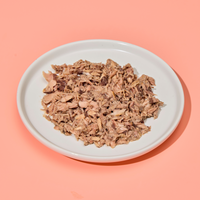
- Wet cat food: Even though wet cat food is super beneficial for your cat, it can cause bad breath. Wet or soft foods tend to get stuck in their teeth and can give off a bad odour once these pieces decay.
What Role Does Hydration Play in Dental Health?
Hydration plays an important role in your cat’s dental health. Water can help rinse away food debris, and it reduces the growth of bacteria. It also helps keep saliva flowing, which neutralises the acids in your cat’s mouth. This, in turn, prevents plaque build-up. Dehydration causes dry mouth, a rise in bacteria, gum inflammation, and an elevated risk of dental disease, as well as other health problems such as kidney issues. Making sure that your cat drinks sufficient water promotes a clean mouth and its general health

Can Diet Alone Prevent Bad Breath and Dental Disease in Cats?
No, a diet alone cannot prevent bad breath and dental disease in cats. Although diet plays a significant role in an overall oral hygiene strategy, the most effective preventative measure is regular tooth brushing, along with professional veterinary care.
How Does Chewing Affect Dental Cleanliness?
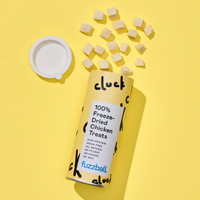
One of the clearest ways diet affects dental health is through chewing. As your pet chews and bites dry kibble, it acts somewhat like a natural toothbrush, mechanically scraping away plaque buildup on their teeth. In contrast, diets rich in soft or moist foods may lack sufficient abrasion, leading to plaque build-up and hardening into tartar. Therefore, providing crunchy kibble or crunchy treats promotes the chewing action that helps maintain cleaner teeth.
Nonetheless, remember that not all dry cat food is of the same quality. To promote oral health, it is best to use high-quality dry foods that do not contain added sugars or fillers.
However, it is important to note that although chewing plays a significant role, it cannot substitute for routine dental examinations and professional cleanings.
What are the Signs of Bad Gum Health in Cats?
There are a few signs you can look for that will show bad gum health in your cat. Here are the most common signs:
|
Sign |
What to Look For |
|
Bad breath |
Strong, unpleasant odour from the mouth |
|
Red or swollen gums |
Gums appear inflamed, bright red, or puffy instead of healthy pink |
|
Bleeding gums |
Blood visible on gums, toys, or food bowls, especially when eating |
|
Yellow or brown tartar |
Visible buildup on teeth near the gum line |
|
Receding gums |
Gums pulling away from teeth, exposing tooth roots |
|
Drooling |
Excessive saliva or drooling, sometimes with blood |
|
Difficulty eating |
Reluctance to eat, dropping food, or chewing on one side |
|
Pawing at the mouth |
Frequent pawing or rubbing at the face or mouth |
|
Loose or missing teeth |
Teeth that wiggle or have fallen out |
|
Behavioral changes |
Increased irritability, hiding, or avoiding interaction due to pain |
How Does Wet Cat Food Compare to Dry Food for Cat Dental Health?
Wet food provides hydration but can contribute to plaque buildup due to its softness and tendency to adhere to teeth. In contrast, dry kibble offers some mechanical cleaning as cats chew, which may help scrape off plaque; however, standard dry food cannot replace brushing.

Is Bad Breath Always a Dental Issue in Cats?
No, halitosis in cats is not exclusively linked to dental problems. Although dental disease, like plaque, tartar, and gum disease, is the most frequent cause, a persistent bad smell may indicate serious issues like kidney disease, diabetes, liver disease, and gastrointestinal problems. This needs a veterinary examination for accurate diagnosis and treatment.
Should You Combine Dry Food with Other Dental Care Methods?
Yes, for the best pet oral hygiene, you should mix dry food with other dental care methods. Although the rough surface of dry cat food can aid in minimising dental problems like plaque and tartar build-up, it cannot ensure thorough dental health by itself. Veterinarians recommend using a mix of active and passive methods.
Can Dry Food Reduce the Need for Cat Tooth Extractions?
No, standard dry food doesn't significantly reduce the need for cat tooth extractions, as most cats who need tooth extractions have serious dental problems. If you want to minimise the risk of tooth extractions, you need to clean and brush your cat's teeth regularly. Especially if the breed of cat you have is known for dental problems.

What Nutrients Support Healthy Gums in Cats?
A variety of nutrients that help reduce inflammation, combat bacteria, and maintain healthy tissue support healthy gums in cats. Important nutrients and components that promote gum health in cats are:
Vitamins
There is a list of different Vitamins that help support healthy gums in cats. This includes Vitamin A, which maintains the soft tissues of the gums, Vitamin C, which supports tissue health, Vitamin D wich enhances antibacterial defences, and Vitamin E, which is another antioxidant that helps with overall tissue and immune health.
Mineral
The minerals that can support healthy gums in cats include Zinc and phosphorus. Zinc is an important mineral that helps slow the build-up of tartar and can reduce bad breath. Calcium and phosphorus are essential for maintaining strong teeth.
Fats and Proteins
Fats and proteins also play an important role in gum health. Specifically, Omea-3 Fatty Acids and protein. Omega-3 Fatty Acids, like fish oil, reduce inflammation in your cat’s gums, and protein promotes strong teeth and gums. It also limits sugars that can contribute to dental disease in cats.
While dry cat food can play a supportive role in your cat's dental health by providing some mechanical cleaning through chewing, it's clear that diet alone isn't enough to prevent bad breath and gum disease. The most effective approach combines quality nutrition with regular tooth brushing, professional veterinary cleanings, and close monitoring of your cat's oral health. By staying proactive and watching for warning signs like bad breath, swollen gums, or difficulty eating, you can help ensure your feline companion maintains a healthy mouth throughout their life. Remember, when it comes to your cat's dental care, prevention is always better than treatment.