

Can Cat Food Subscriptions Help With Food Transition?

Changing your cat’s diet can feel like walking a tightrope. Cats are notoriously habit-driven, faithful to familiar textures and flavours. A sudden change in food can cause digestive upset or make your pet a finicky eater overnight. This process needs patience, precision and the right nutrients.
This is where cat food subscriptions delivered to your door come in. The convenience is unmatched, but cat food subscription services also provide customised starter plans to make it easier for your cat to transition to new food. These services are also characterised by a high degree of sustainability, making them an incredibly green option for environmentally-conscious cat owners.
The Challenge Of Transitioning Cat Food
Switching a cat’s food is rarely as simple as just dumping a new brand into the bowl. A sudden change in diet can upset the delicate balance of a cat's gastrointestinal tract and cause stomach upset, vomiting or diarrhoea. Also, cats can be very choosy about the shape, smell and moisture content of their food, which can lead to them turning up their noses at a new meal altogether.
Veterinarians recommend a gradual 7-to-10 day transition schedule as the best way to allow the digestive system and intestinal microbiome to adjust:
- Days 1 to 3: 75% of the current food and 25% of the new food
- Days 4-6: 50% new food, 50% current food
- Days 7-9: 25% new food, 75% present food.
- Day 10 and on: 100% new food
In theory, this is simple, but it can be frustrating to follow this schedule with standard supermarket foods. Cat owners frequently purchase jumbo bags or multi-packs, only to have their feline friend refuse to eat them, wasting both money and food.

How Cat Food Subscriptions Simplify The Transition
Cat food subscription models are designed specifically to take the guesswork and stress out of changing your cat’s diet. Subscriptions offer personalised support and tailored meal plans to ensure smooth and successful switches in diet.
Trial Boxes And Tailored Transition Plans
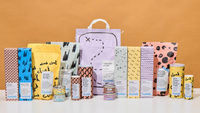
Most subscription services start new customers off with a special trial box. These starter kits contain small, accurately portioned quantities of different recipes instead of giant bulk bags.
Subscription services also provide your cat with their daily caloric needs based on their age, weight, activity levels and health goals, as well as detailed instructions on how to mix the new meals with their old food.
Highly Digestible Quality Ingredients
Transition failures are often due to commercial, store-bought foods high in fillers, artificial additives and poor-quality protein sources that irritate a cat’s stomach.
The cat food subscription brands focus on premium, easy-to-digest ingredients like fresh, whole meats and eschew artificial preservatives. Better digestibility means less stress on your cat’s digestive system and a greatly reduced chance of stomach upset during the changeover.
Recipe Variety And Taste Customisation
If your cat snubs a particular flavour, subscription services give you the option to change upcoming boxes instantly online. You won’t end up with a whole tray of tins your cat doesn’t want – you can easily swap recipes to suit its changing tastes.

Why A Cat Food Subscription Is An Eco-Friendly Choice
Making diet transitions easier for pet parents is a big benefit, but subscription models also have some compelling environmental benefits. When you choose a subscription service, you can care for your cat’s health while also reducing your household’s ecological footprint.
Eliminating Food Waste at Home and Production Levels
Food waste is a major contributor to global greenhouse gas emissions. When cats reject new food bought in large commercial quantities, unopened tins sit until expired or open bags go stale before being thrown away. Subscriptions directly combat food waste through two key mechanisms:
|
Level |
Traditional Retail Model |
Subscription Model |
|
At Home |
Oversized bags go stale or unused if rejected |
Tailored trial sizes prevent discarding unwanted bulk food |
|
At Factory |
Overproduction to keep retail shelves stocked |
On-demand production based on active subscriber numbers |
|
Portion Control |
Imprecise scoops lead to overfeeding and uneaten scraps |
Pre-portioned daily meals ensure zero wasted food in the bowl |
Sustainable And Low-Impact Packaging
Traditional pet food packaging is largely made up of multi-layer plastic pouches, foil bags and non-recyclable plastic wrap that ends up in landfills or ocean ecosystems.
Subscription brands are leading the way in sustainable packaging solutions. Our delivery boxes are made from 100% post-consumer recycled cardboard and can be put straight in the household recycling bin. Companies use fully compostable insulation such as wool liners, paper padding or water-soluble starch foam and recyclable aluminium tins or mono-material plastic pouches for fresh or frozen meal plans.
Simplified Supply Chains And Direct Shipping
It’s easy to assume home delivery creates a bigger carbon footprint than buying food at a local shop. However, direct-to-consumer delivery models are far more carbon-efficient than traditional retail supply chains.
The traditional retail distribution process includes many fuel-intensive steps: from factories to regional warehouses, to retail stores and then to individual car trips by consumers. Subscription services are delivered right to your door from central hubs through optimised courier routes. One delivery van on a planned, efficient route to serve dozens of homes creates far fewer carbon emissions per parcel than individual car journeys to the supermarket.
Proteins Ethically And Sustainably Sourced
Cats are obligate carnivores and require meat to make up a large portion of their diet. Due to the significant environmental footprint of livestock farming, subscription brands are especially mindful about sourcing ingredients responsibly:
- Regenerative and Free-Range Farming: Procuring meats from local farms that emphasise soil health, biodiversity and ethical animal welfare.
- Sustainable Seafood: Utilising MSC-certified fish sources to support healthy ocean ecosystems and avoid overfishing.
- Alternative Proteins: Incorporating sustainable protein sources, such as insect-based ingredients, that use significantly less land, water and energy to produce.

Tips for a Smooth Sustainable Transition
Follow these easy steps to help make your cat’s transition to their new subscription diet a comfortable one – all while keeping the eco-conscious mindset:
- Patience is Key: Don’t rush the 7-to-10 day transition. The most common reason cats reject new food or experience tummy upsets is that they have been moved too quickly.
- Recycle Responsibly: Rinse tins or food trays and flatten cardboard boxes before putting them in your recycling bin.
- Recycle delivery boxes: Cardboard delivery boxes make great chemical-free enrichment toys for cats. Recycle them as scratch pads, hiding places or puzzle mazes.