


Are Freeze-Dried Cat Treats Grain-Free?

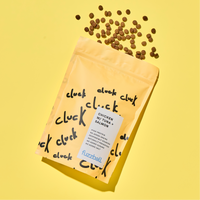
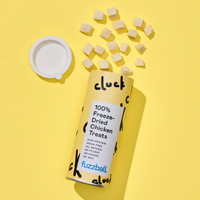
If you have started paying closer attention to what goes into your cat's food, you are probably asking the same question about their treats. As more cat owners are looking for healthy, natural and closer-to-the-wild options for their cat's treats, freeze-dried cat treats seem to fit the bill. The short answer is: not necessarily. The longer answer is worth knowing, especially if your cat has a sensitive stomach, a grain intolerance, or you simply want to be confident in everything they eat. Fuzzball’s freeze-dried treats are 100% meat or fish and grain-free.
What Are Freeze-Dried Cat Treats?
The freeze-drying process is a form of preservation where the animal protein source is first frozen, and then most of the surrounding pressure is removed to create a quick phase change of the ice to water vapour. These methods create lightweight and easy-to-transport animal proteins that can contain much of the original protein, nutrients and flavours.
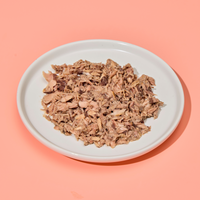
Since the process starts with a frozen ingredient and doesn't require heat (which can denature and destroy proteins), most people consider freeze-dried treats to be one of the most natural cat treats. These treats also have short ingredient lists, making the label easy to understand.
Why Cats Love Freeze-Dried Treats
Cats are obligate carnivores, meaning they rely on animal protein to survive. Their instincts are wired to find the scent and texture of real meat irresistible. Freeze-dried treats contain meat with no additives to alter the smell or taste, making them some of the most appealing snacks to cats and, more often than not, much more desirable than kibble.
Are All Freeze-Dried Treats Grain-Free?
Not necessarily, and here’s why that’s important. The freeze-drying process itself does not exclude the use of grains. Some treats use a whole meat base, and that’s it. Others choose to use binding agents, flavour enhancers, or bulking agents, and that could include grains. The good news? Fuzzball offers a range of grain-free, protein-rich freeze-dried treats that cats love.
Although grains are not toxic for cats, some treats may cause digestive issues. Cats have a carnivorous digestive system, which is not equipped to deal efficiently with grain, as they are not part of their natural diet.

How to Check a Freeze-Dried Cat Food Label
The key to identifying whether a freeze-dried treat is truly grain-free lies in the ingredient list. You want to look for:
- The first ingredient (ideally the only ingredient) is a named whole meat (ex. 'chicken' or 'tuna' and not ‘meat derivatives' or 'meat meal')
- There is an absence of corn, wheat, rice, oats, barley, or sorghum anywhere
- There is an absence of potato starch, tapioca, or other high-carbohydrate binders that substitute grains but serve a similar function
- There is an absence of flavourings, preservatives, or additives- the fewer ingredients, the better
Simple Rule: If the ingredient list has more than two or three items and you cannot pronounce several of them, it is probably not the clean, grain-free treat that it is marketed as. Look for whole meat, nothing else.
Why Grain-Free Is Best for Your Cat
Cats should be consuming grain-free diets as they are obligate carnivores, meaning their digestive systems are designed to eat meat:
Cats Need Protein
As mentioned above, cats are obligate carnivores, and in the wild, cats eat small animals, which are high in protein and fat. These foods are low in carbohydrates. Cats need protein as a source of energy, and glucose is a poor source of energy for the cat, so feeding cats grains conflicts with their biology.
More Cats are Sensitive than You Think
Cats are known for sensitive digestive systems, which can be characterised by loose stools, bloating, vomiting and skin issues. These can be attributed to food sensitivities. Grains, especially corn and wheat, can cause these symptoms in sensitive cats. Thus, once a cat is provided grain-free options, their digestion, coat and energy frequently improve. If your cat is experiencing any abnormal behaviours, be sure to seek assistance from a trusted veterinarian.
Managing Your Cat's Weight and Blood Sugar
Glucose is a product of certain grains, and glucose and certain carbohydrates raise blood sugar. Cats do not efficiently regulate their blood sugar, and high-carbohydrate diets can quickly lead to diabetes and obesity. Metabolically healthy cats, at any age, will have better health when fed a high-protein, low-carb diet than any other diet.